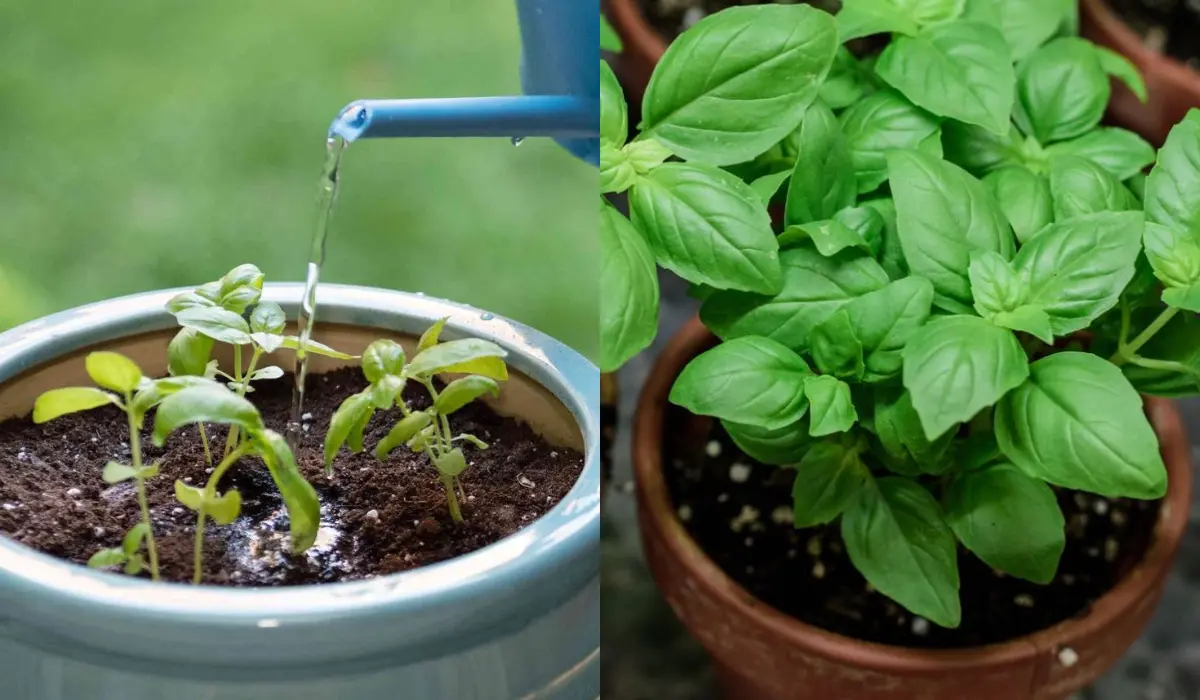
Basil plant care tips are quite simple when you understand what this herb needs. Basil grows best in 6–8 hours of sunlight, nutrient-rich soil, and consistent moisture. It prefers warm temperatures and regular harvesting to stay productive. Using a well-draining soil mix and avoiding overwatering can prevent many common problems. With proper care, basil can provide fresh, flavorful leaves for months, whether grown indoors or outdoors.
I have grown basil in containers, raised beds, and small garden spaces over the years. Like many beginners, I initially faced problems such as yellow leaves, overwatering, slow growth, and occasional pest attacks. Some plants became leggy because they did not receive enough sunlight, while others suffered from root rot due to excess moisture. Through trial and error, I learned what works best for basil. In this article, I am sharing my real gardening experience and practical solutions that have helped me grow healthy and productive basil plants.
IN THIS ARTICLE
About this Basil Plant
Basil is one of the most popular culinary herbs grown worldwide. It is valued for its fragrant leaves, fast growth, and versatility in cooking. This warm-season herb is easy to grow and suitable for both beginner and experienced gardeners.
| Feature | Details |
|---|---|
| Botanical Name | Ocimum basilicum |
| Common Name | Basil |
| Plant Type | Annual Herb |
| Mature Size | 12–24 inches tall |
| Flowering Season | Summer |
| Native Region | Tropical Asia and Africa |
| Indoor/Outdoor Use | Both Indoor and Outdoor |
Basil grows quickly during warm weather and produces abundant leaves when cared for properly. It is one of the easiest herbs to maintain in home gardens.
Benefits of Basil Plant
Growing basil offers many benefits beyond its culinary use. It is a useful herb that combines beauty, fragrance, and health benefits in a single plant.
- Rich in antioxidants and Vitamin K.
- Contains natural antibacterial properties.
- Helps support healthy digestion.
- Produces fresh leaves for cooking throughout the season.
- Attracts pollinators such as bees.
- Adds pleasant fragrance to gardens and balconies.
Besides these benefits, basil is a rewarding herb for gardeners because it grows quickly and can be harvested repeatedly.
Basil Plant Sunlight Requirements
Basil sunlight requirements play a major role in determining the plant’s growth and leaf production. Through my experience, plants receiving enough sunlight always produce larger, greener, and more flavorful leaves compared to those grown in shade.
Basil generally requires 6–8 hours of direct sunlight daily. Outdoor plants perform best in locations with morning and early afternoon sun. Indoor plants should be placed near bright windows where they can receive maximum natural light.
- Provide 6–8 hours of direct sunlight daily.
- Choose a south-facing or west-facing window indoors.
- Protect plants from extreme afternoon heat in very hot regions.
- Rotate indoor pots regularly for even growth.
- Use grow lights if natural sunlight is insufficient.
- Avoid deep shade locations.
Providing proper sunlight is one of the easiest ways to maintain healthy basil plants and maximize leaf production.
Basil Plant Water Requirements
Basil water requirements are often misunderstood by beginner gardeners. Basil likes moist soil, but it does not tolerate waterlogged conditions.
When I first started growing basil, overwatering was my biggest mistake. Some plants developed yellow leaves and weak roots because the soil remained wet for too long. I learned that checking the soil before watering is much more effective than following a strict watering schedule.
- Water when the top inch of soil feels dry.
- Keep soil consistently moist but not soggy.
- Water deeply rather than frequently.
- Reduce watering during cooler weather.
- Use pots with drainage holes.
- Avoid letting containers sit in standing water.
Proper watering helps prevent root rot and encourages stronger root development.
Best Soil for Basil Plant
Best soil for basil plant growth should be rich in nutrients while allowing excess water to drain away easily. Healthy roots lead to healthy leaves.
I have found that basil grows best in a loose and well-aerated growing medium. Heavy garden soil often becomes compacted and can cause drainage issues.
- Use high-quality potting mix as the base.
- Add around 20% compost for nutrients.
- Mix in coconut coir for moisture retention.
- Include perlite to improve drainage.
- Maintain loose and airy soil structure.
- Avoid dense clay-based soils.
A balanced soil mixture supports vigorous growth and reduces common root-related problems.
Best Temperature and Humidity for Basil Plant
Basil thrives in warm environments and dislikes cold weather. Since it originates from tropical regions, it grows best when temperatures remain consistently warm.
In my garden, basil always grows fastest during warm spring and summer months. Cold temperatures can slow growth significantly and even damage leaves.
- Ideal temperature range is 70°F–90°F (21°C–32°C).
- Protect plants from frost.
- Keep temperatures above 50°F (10°C).
- Maintain moderate humidity levels.
- Ensure good air circulation around plants.
- Bring container plants indoors during cold weather.
Providing stable temperature and humidity conditions helps basil remain healthy and productive.
Best Fertilizer for Basil Plant
Best fertilizer for basil plant growth should support leafy development without encouraging excessive weak growth. Since basil is grown mainly for its leaves, nitrogen is especially important.
I usually prefer organic fertilizers because they provide steady nutrition without overwhelming the plant.
- Apply compost tea every few weeks.
- Use organic liquid fertilizer monthly.
- Choose balanced fertilizers with slight nitrogen emphasis.
- Feed plants after the first month of growth.
- Avoid excessive fertilizer applications.
- Water after fertilizing to prevent root stress.
Regular feeding helps basil produce lush green foliage while maintaining excellent flavor.
Pruning and Cutting Basil Plant Tips
Pruning is one of the most effective ways to increase basil production. Many beginner gardeners hesitate to trim their plants, but regular pruning actually encourages healthier growth.
Whenever I prune basil regularly, the plants become bushier and produce significantly more leaves.
- Pinch growing tips above leaf nodes.
- Start pruning once plants have several leaf sets.
- Remove flower buds immediately.
- Harvest from the top down.
- Avoid removing more than one-third of the plant.
- Use clean scissors or pruning tools.
Consistent pruning helps extend the harvesting season and keeps basil looking healthy.
Diseases, Pests Problems and Solutions
- Yellow Leaves – Usually caused by overwatering. Allow soil to dry slightly before watering again.
- Root Rot – Often occurs in poorly draining soil. Improve drainage and reduce watering frequency.
- Aphids – Small insects feeding on new growth. Spray with water and apply neem oil.
- Whiteflies – Tiny flying pests found under leaves. Use yellow sticky traps and neem oil.
- Spider Mites – Fine webbing appears on foliage. Increase humidity and wash leaves regularly.
- Downy Mildew – Yellow patches develop on leaves. Improve airflow and remove affected foliage.
- Powdery Mildew – White powder forms on leaves. Increase ventilation and avoid wetting foliage.
- Slow Growth – Often caused by insufficient sunlight. Move plants to a brighter location.
- Leggy Growth – Results from low light and lack of pruning. Increase sunlight and pinch growing tips.
- Leaf Spot Disease – Dark spots appear on leaves. Remove infected leaves and improve air circulation.
Most basil problems can be prevented by providing proper sunlight, watering carefully, and maintaining good airflow around plants.
FAQ – Basil plant care tips
Does basil need full sun?
Yes. Basil grows best with 6–8 hours of direct sunlight daily. Plants grown in bright light produce stronger stems and more flavorful leaves.
How often should I water basil?
Water when the top inch of soil feels dry. The exact frequency depends on temperature, humidity, and container size.
Why are my basil leaves turning yellow?
Yellow leaves are usually caused by overwatering, poor drainage, or nutrient deficiencies. Checking soil moisture is the first step in diagnosing the problem.
Should I remove basil flowers?
Yes. Removing flower buds encourages the plant to continue producing leaves instead of directing energy toward seed production.
Conclusion
Growing basil has been one of the most enjoyable experiences in my garden. This herb is easy to maintain, grows quickly, and rewards gardeners with fresh leaves throughout the season. Following proper basil plant care practices such as providing enough sunlight, using well-draining soil, My personal gardening tip is simple: harvest basil often because regular harvesting encourages the plant to grow even more leaves.
