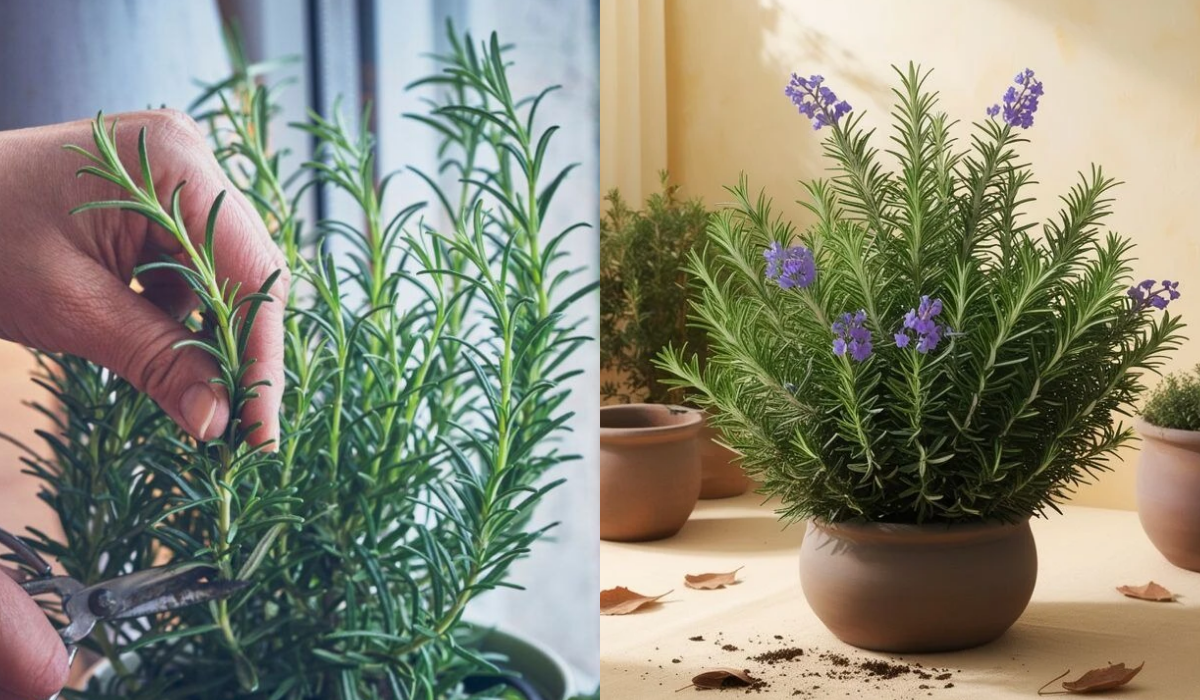
Rosemary plant care is simple when you provide the right sunlight, well-draining soil, and avoid overwatering. This fragrant herb grows best in warm conditions and can thrive in pots, balconies, terraces, and home gardens with minimal maintenance.
As someone who has been gardening for years, I have grown rosemary plants both in containers and garden beds. One thing I learned from experience is that rosemary prefers slightly dry conditions rather than constantly wet soil. Many gardeners lose their rosemary plants because they water too often. Once you understand its basic needs, rosemary becomes one of the easiest herbs to grow at home.
About This Rosemary Plant
Rosemary is a hardy evergreen herb native to the Mediterranean region. It thrives in sunny locations and is valued for its fragrant leaves and versatility in cooking and gardening.
Rosemary is one of the most rewarding herbs to grow because it remains attractive throughout the year and requires relatively little maintenance once established.
Benefits of Rosemary Plant
Rosemary offers much more than just culinary use. It is a beautiful and practical addition to any home garden.
- Adds year-round greenery to gardens and balconies.
- Produces fragrant leaves used in cooking.
- Attracts pollinators such as bees when flowering.
- Can be grown successfully in containers.
- Suitable for beginner gardeners.
- Provides ornamental value alongside practical use.
Because of its beauty and usefulness, rosemary remains one of the most popular herbs grown around the world.
Rosemary Plant Sunlight Requirements
Rosemary plant sunlight requirements are simple: the plant loves bright sunshine. In my experience, rosemary grows strongest when it receives several hours of direct sunlight every day. Plants grown in shade often become weak and produce fewer leaves.
- Provide at least 6–8 hours of direct sunlight daily.
- Place indoor plants near a bright south-facing window.
- Grow outdoors in an open sunny location.
- Insufficient sunlight can cause leggy growth.
- Too much shade reduces fragrance and growth.
- Rotate container plants occasionally for even growth.
Adequate sunlight is one of the biggest secrets to successful rosemary plant care.
Rosemary Plant Water Requirements
Rosemary plant watering is where many beginners make mistakes. Rosemary prefers slightly dry soil rather than constantly moist conditions. Overwatering is one of the most common reasons rosemary plants fail.
- Water when the top 2 inches of soil feel dry.
- Reduce watering during cooler months.
- Water deeply but less frequently.
- Ensure excess water drains completely.
- Yellow leaves may indicate overwatering.
- Dry, brittle leaves can signal underwatering.
I always check the soil before watering rather than following a fixed schedule, and this has greatly improved my rosemary plants’ health.
Best Soil for Rosemary Plant
The best soil for rosemary plant growth is loose, well-draining, and slightly sandy. Heavy soil that retains water can quickly lead to root rot.
- Use well-draining potting mix.
- Add coarse sand or perlite to improve drainage.
- Avoid clay-heavy soils.
- Use containers with drainage holes.
- Slightly neutral soil works best.
- Mix compost in moderation for nutrients.
Good soil drainage is often more important than fertilizing when growing rosemary successfully.
Best Temperature and Humidity for Rosemary
Rosemary naturally grows in Mediterranean climates and prefers warm temperatures with moderate humidity. It adapts well to many regions when protected from extreme cold.
- Ideal temperature: 18°C–30°C.
- Protect from severe frost.
- Maintain moderate humidity levels.
- Ensure good airflow around the plant.
- Avoid overly damp growing conditions.
- Bring container plants indoors during freezing weather.
From my experience, rosemary struggles more from excessive moisture than from dry air.
Best Fertilizer for Rosemary Plant
Rosemary fertilizer requirements are relatively low. Excessive feeding often causes weak growth and reduces the intensity of the plant’s fragrance.
- Use balanced organic fertilizer sparingly.
- Apply compost every few months.
- Feed during spring and summer.
- Reduce feeding during winter.
- Use vermicompost for natural nutrition.
- Avoid over-fertilizing with nitrogen-rich products.
A lightly fed rosemary plant often performs better than one receiving too much fertilizer.
Common Problems and Solutions
- Yellow leaves: Usually caused by overwatering. Allow soil to dry before watering again.
- Root rot: Results from poor drainage. Improve soil drainage and reduce watering.
- Slow growth: Often caused by insufficient sunlight. Move the plant to a brighter location.
- Brown leaf tips: May indicate underwatering or inconsistent watering.
- Aphids and spider mites: Wash leaves with water and use neem oil if needed.
- Drooping branches: Can result from water stress or root issues. Check soil moisture and root health.
Most rosemary problems can be prevented by providing sunlight, proper drainage, and moderate watering.
FAQ
Is rosemary plant easy for beginners?
Yes. Rosemary is considered beginner-friendly once you understand its preference for sunlight and well-draining soil. Avoid overwatering, and it usually grows without major issues.
How often should I water rosemary plant?
Water only when the top 1–2 inches of soil become dry. The exact frequency depends on temperature, pot size, and growing conditions
Can rosemary grow indoors?
Yes. Rosemary grows indoors if placed near a bright window where it receives several hours of sunlight each day.
Why are my rosemary plant leaves turning yellow?
Yellow leaves are commonly caused by excessive watering, poor drainage, or lack of sunlight. Check these conditions first.
Conclusion
Rosemary plant care becomes much easier once you understand the plant’s natural preference for sunshine, moderate watering, and well-draining soil. Whether grown indoors on a windowsill or outdoors in a garden, rosemary rewards gardeners with fragrant leaves and year-round beauty. Most problems occur because of overwatering, so always allow the soil to dry slightly between watering sessions. With the right care, rosemary can thrive for many years and become one of the most useful plants in your garden. One lesson I learned from experience is that rosemary grows best when you resist the urge to water it too often.
