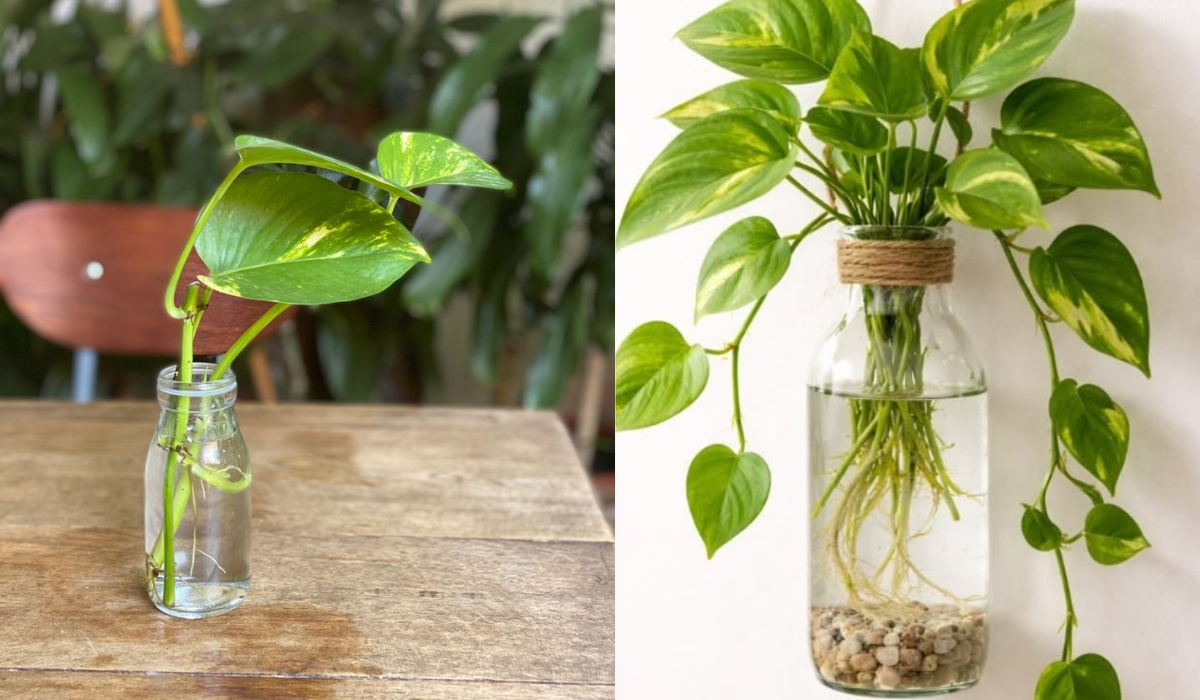
Money Plant care becomes much easier when you provide bright filtered light, use a loose and moisture-balanced growing medium, and water deeply only after the upper layer of soil has dried sufficiently. These simple conditions help the plant produce healthy green leaves and vigorous vines while reducing the risk of common problems such as yellow leaves and root rot.
I have been growing money plants at home for several years, and I made many beginner mistakes in the beginning. Sometimes I watered too often, and sometimes I placed the plant in a dark corner. Through trial and observation, I learned what helps a money plant grow faster and stay healthy. In this guide, I am sharing my practical experience along with proven care tips that work for both beginners and experienced plant lovers.
About Money Plant
Money Plant, also known as Pothos, is one of the most popular indoor plants worldwide. It is loved for its attractive heart-shaped leaves, low-maintenance nature, and ability to adapt to different growing conditions.
| Feature | Details |
|---|---|
| Botanical Name | Epipremnum aureum |
| Common Name | Money Plant, Golden Pothos, Devil’s Ivy |
| Plant Type | Evergreen Vine |
| Mature Size | 6–40 feet depending on growing conditions |
| Flowering Season | Rarely flowers indoors |
| Native Region | French Polynesia and Pacific Islands |
| Indoor/Outdoor Use | Both Indoor and Outdoor |
Money plants are excellent for homes, offices, balconies, and shaded gardens. Their adaptable nature makes them a favorite among beginners.
Benefits of Money Plant
Money plants are valued not only for their beauty but also for their practical benefits indoors.
- Improves the visual appeal of living spaces.
- Helps create a fresh and relaxing environment.
- Easy to grow and maintain.
- Suitable for hanging baskets and decorative pots.
- Can adapt to various indoor lighting conditions.
- Popular as a gift plant in many cultures.
Because of these benefits, money plants are among the first choices for people starting their gardening journey.
Money Plant Sunlight Requirements
Understanding money plant sunlight requirements is essential for healthy growth. These plants perform best when they receive bright but indirect light throughout the day. While they can survive in lower light conditions, growth may become slower and leaves may lose some of their vibrant color.
In my experience, placing the plant near a bright window covered with a curtain gives excellent results. Direct afternoon sunlight can scorch leaves, especially during summer.
- Provide bright indirect sunlight daily.
- Keep away from harsh afternoon sun.
- Morning sunlight is generally safe.
- Rotate the pot occasionally for even growth.
- Avoid completely dark corners.
- Variegated varieties require slightly more light.
Proper lighting encourages lush foliage and stronger vine development.
Best Place for Money Plant
According to traditional placement practices, many people prefer keeping a money plant in the south-east area of the living room or near the northern side of the entrance. Practically speaking, choose any location that receives bright filtered natural light.
Money Plant Water Requirements
One of the biggest beginner mistakes is overwatering. Money plants prefer a balanced watering schedule rather than constantly wet soil.
I learned this lesson after losing a healthy plant to root rot. Now I always check soil moisture before watering. Allow the upper portion of the growing medium to dry before adding more water.
- Water deeply when needed.
- Check soil moisture with your finger.
- Reduce watering during winter.
- Never allow roots to sit in standing water.
- Ensure excess water drains freely.
- Monitor watering frequency based on climate.
During warm growing seasons, watering may be needed more frequently than during cooler months. A good rule is to observe the soil instead of following a strict calendar.
Best Soil for Money Plant
Choosing the best soil for money plant plays a major role in preventing root problems. The growing medium should retain enough moisture for roots while still allowing excess water to escape quickly.
A loose, airy mixture rich in organic matter works extremely well. Good drainage is the key to long-term success.
- Use a lightweight potting mix.
- Add perlite or coarse sand for drainage.
- Include compost or organic matter.
- Avoid heavy garden soil alone.
- Maintain slightly acidic to neutral conditions.
- Replace compacted soil when necessary.
Healthy soil encourages strong root development and supports vigorous growth.
Best Pot for Money Plant
An 8–10 inch pot with drainage holes is ideal for most indoor money plants. I personally prefer terracotta pots because they allow excess moisture to evaporate more easily. Ceramic and self-watering containers also work well when used correctly.
Best Temperature and Humidity for Money Plant
Money plants enjoy conditions similar to those found in most homes. Moderate temperatures and average indoor humidity help the plant thrive.
In my home, the plant grows fastest during warm months when temperatures remain stable and humidity is moderate.
- Maintain temperatures between 18°C and 30°C.
- Protect from cold drafts.
- Avoid sudden temperature fluctuations.
- Keep away from air conditioners and heaters.
- Increase humidity during very dry weather.
- Mist occasionally if indoor air becomes extremely dry.
Stable environmental conditions help maintain healthy leaves and steady growth.
Best Fertilizer for Money Plant
Although money plants can survive without frequent feeding, proper fertilization encourages faster growth and healthier foliage.
I generally apply a balanced liquid fertilizer during active growth periods. Overfertilizing can cause more harm than good, so moderation is important.
- Use balanced liquid fertilizer.
- Apply during spring and summer.
- Feed every few weeks during active growth.
- Reduce feeding during winter.
- Follow label instructions carefully.
- Water before applying fertilizer.
A balanced nutrient program supports larger leaves and stronger vines without causing fertilizer burn.
Common Problems and Solutions
- Yellow leaves – Usually caused by excess watering; allow soil to dry more between watering.
- Brown leaf edges – Often due to dry air or inconsistent watering; improve humidity and watering routine.
- Root rot – Caused by waterlogged soil; improve drainage and remove damaged roots.
- Slow growth – Often related to insufficient light; move the plant to a brighter location.
- Leggy vines – Caused by low light conditions; provide brighter indirect light.
- Drooping leaves – Can result from underwatering; water thoroughly when soil becomes dry.
FAQ – Money Plant Care Guide
Is money plant easy to grow indoors?
Yes, money plants are among the easiest indoor plants to maintain. They adapt well to normal household conditions and tolerate minor care mistakes.
How often should I water a money plant?
Water when the upper layer of the soil becomes dry. The exact frequency depends on temperature, humidity, pot size, and light conditions.
Can money plants survive in low light?
Yes, they can survive in low light, but growth may slow down and leaf coloration may become less vibrant.
What is the best pot for a money plant?
A container with drainage holes is essential. Terracotta, ceramic, and quality self-watering pots are all good options.
Conclusion
Growing a healthy money plant does not require expert gardening skills. By providing adequate light, proper watering, well-draining soil, and occasional feeding, you can enjoy beautiful green foliage throughout the year. Most problems arise from overwatering or insufficient light, both of which are easy to correct.
Following these practical Money Plant care tips can help beginners avoid common mistakes and achieve better results. Based on my personal gardening experience, the best tip is simple: always check the soil before watering instead of watering on a fixed schedule.
How to Take Care of Jade Plant Indoors | Complete Jade Plant Care Guide
