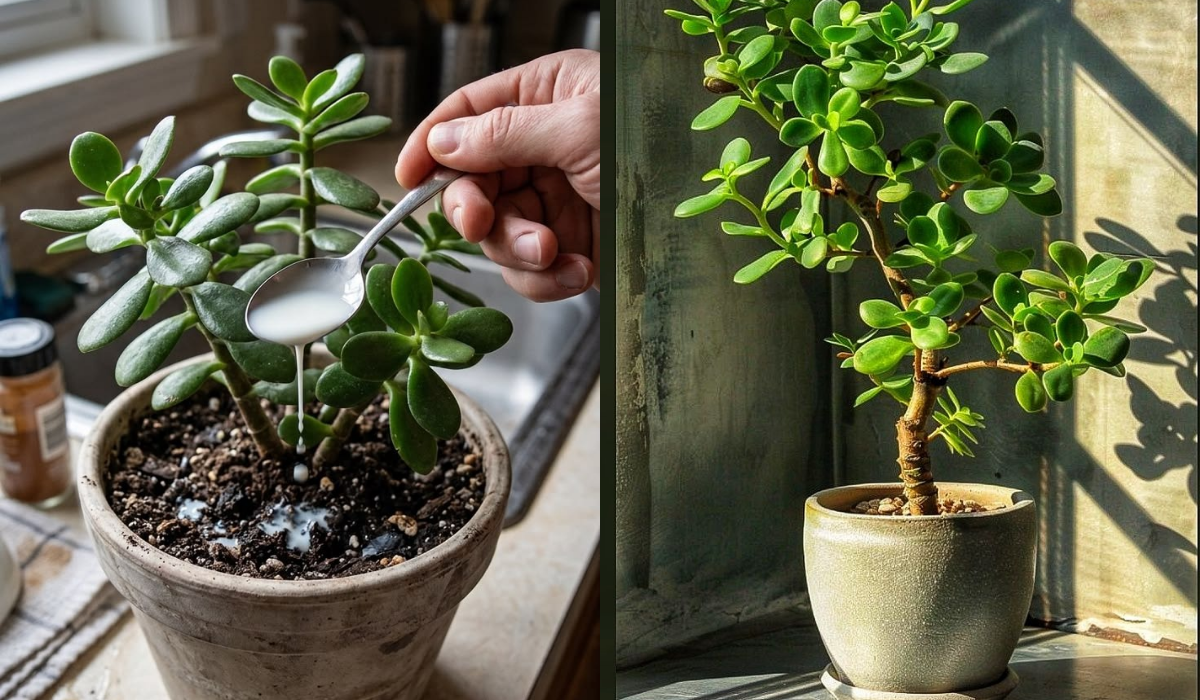
Jade plant care is simple when you provide bright filtered sunlight, fast-draining succulent soil, and careful watering only after the soil becomes fully dry. This beautiful succulent is loved worldwide because it is low maintenance, long-living, and perfect for both beginners and busy plant lovers. With proper care, jade plants can stay healthy for decades and develop thick woody stems that look like miniature trees indoors.
I have personally grown jade plants for many years, and honestly, I made several beginner mistakes in the beginning. I once overwatered my jade plant during winter, and the leaves started turning yellow and dropping quickly. Another time, my plant became weak and stretched because I kept it in low light. . In this article, I am sharing my real gardening experience, practical care tips, and simple solutions.
IN THIS ARTICLE
About this Jade Plant
The jade plant is a popular succulent known for its thick green leaves and easy-growing nature. It is often grown indoors as a decorative houseplant, but in warm climates, it also grows beautifully outdoors.
| Feature | Details |
|---|---|
| Botanical name | Crassula ovata |
| Common name | Jade Plant, Money Plant, Lucky Plant |
| Plant type | Succulent |
| Mature size | 3–6 feet tall indoors |
| Flowering season | Late winter to early spring |
| Native region | South Africa and Mozambique |
| Indoor/outdoor use | Both indoor and outdoor |
Jade plants are famous for their thick water-storing leaves and tree-like appearance. They are one of the easiest succulents to maintain at home.
Benefits of Jade Plant
Jade plants are not only attractive but also useful indoor plants. Their thick glossy leaves add freshness and calmness to indoor spaces.
- Helps with natural air purification by filtering indoor pollutants
- May improve indoor humidity in dry rooms
- Creates a relaxing and stress-reducing atmosphere
- Requires very little maintenance compared to many houseplants
- Can live for many years with proper care
- Adds decorative beauty to desks, balconies, and living rooms
One thing I personally love about jade plants is how peaceful and clean they make a room feel. Even a small jade plant can make indoor spaces look fresh and lively.
Jade Plant Sunlight Requirements
Proper lighting is one of the most important parts of jade plant care. Jade plants need around 4 to 6 hours of bright, indirect sunlight daily for healthy growth and thick leaves. Without enough sunlight, the stems become weak and stretched.
I usually keep my jade plant near an east-facing window where it gets gentle morning sunlight. Harsh afternoon sunlight can sometimes burn leaves, especially during very hot summers.
- Provide 4–6 hours of bright indirect sunlight
- Morning sunlight works best for indoor plants
- Rotate the pot every few weeks for even growth
- Avoid keeping the plant in dark corners
- Sudden intense sunlight can scorch leaves
- Outdoor plants need partial shade in very hot climates
Good lighting helps jade plants maintain compact growth and rich green leaf color.
Jade Plant Water Requirements
Overwatering is the biggest mistake beginners make with jade plants. Since jade plants store water inside their thick leaves, they do not need frequent watering like normal houseplants.
I learned this lesson after damaging one of my old jade plants by watering every few days. Now I only water when the soil feels completely dry.
- Water only when the soil becomes fully dry
- Soak the soil deeply until water drains from the holes
- Always empty the saucer after watering
- Reduce watering during winter months
- Wrinkled leaves may indicate underwatering
- Soft yellow leaves usually mean overwatering
During summer, I water my jade plant every 10–14 days. In winter, watering becomes much less frequent.
Best Soil for Jade Plant
The right soil keeps jade plant roots healthy and prevents root rot. Jade plants hate heavy soil that stays wet for a long time.
A commercial cactus or succulent mix works perfectly for jade plants. You can also prepare a DIY mix at home by combining 2 parts standard potting soil with coarse sand or perlite for better drainage.
- Use fast-draining succulent soil
- Avoid dense garden soil indoors
- Add perlite or coarse sand for airflow
- Pots must have drainage holes
- Terracotta pots help remove excess moisture
- Replace compacted soil every few years
I personally prefer terracotta pots because they dry the soil faster and reduce overwatering problems.
Best Temperature and Humidity for Jade Plant
Jade plants enjoy warm temperatures and average household humidity levels. They are quite adaptable but dislike cold conditions and frost.
In my experience, jade plants grow best when indoor temperatures stay stable. Sudden cold drafts near windows during winter can damage leaves.
- Ideal temperature: 18°C to 24°C
- Keep away from freezing temperatures
- Avoid cold air from AC vents
- Average indoor humidity works well
- Low humidity is usually not a problem
- Protect outdoor plants during heavy rain
Healthy temperatures help the plant maintain firm stems and shiny leaves throughout the year.
Best Fertilizer for Jade Plant
Jade plants are light feeders and do not need heavy fertilizing. Too much fertilizer can actually weaken the plant and cause soft growth.
I usually feed my jade plant once every 4–6 weeks during spring and summer using a diluted succulent fertilizer.
- Use a diluted low-nitrogen liquid fertilizer
- Succulent plant food works very well
- Fertilize only during active growing months
- Avoid feeding during fall and winter
- Overfertilizing may cause weak growth
- Water the soil lightly before fertilizing
Balanced feeding helps maintain healthy leaf growth without making the plant overly soft or leggy.
Common Problems and Solutions
Even easy plants like jade plants can face problems. Most issues happen because of watering mistakes or poor lighting.
- Yellow leaves: Usually caused by overwatering. Allow soil to dry completely before watering again.
- Leggy growth: Happens in low light. Move the plant to a brighter location.
- Leaf drop: Sudden temperature changes or excess moisture can trigger leaf loss.
- Soft mushy stems: Often a sign of root rot from wet soil. Remove damaged parts and repot.
- Mealybugs: Clean leaves using cotton dipped in rubbing alcohol.
- Wrinkled leaves: Indicates underwatering. Give the plant a deep watering.
Most jade plant problems can be solved quickly if noticed early.
FAQ – Jade Plant Care Guide
How often should I water a jade plant?
Water only when the soil becomes completely dry. In warm months, watering every 10–14 days is usually enough, while winter watering is less frequent.
Can jade plants survive indoors?
Yes, jade plants grow very well indoors if they receive enough bright indirect sunlight. A sunny window is usually the best location.
Why are my jade plant leaves turning yellow?
Yellow leaves are commonly caused by overwatering or poor drainage. Let the soil dry out fully and check the drainage holes.
Does jade plant need direct sunlight?
Jade plants enjoy some gentle morning sunlight, but harsh afternoon direct sun can sometimes burn the leaves, especially in hot climates.
Conclusion
Growing a jade plant is one of the easiest ways to enjoy indoor gardening. With proper sunlight, well-draining soil, and careful watering, this succulent can stay healthy for many years. My own experience taught me that most jade plant problems happen because of overwatering or poor lighting. Once you understand its basic needs, jade plant care becomes very simple and enjoyable.
One personal gardening tip I always follow is to check the soil with my finger before watering instead of watering on a fixed schedule.
