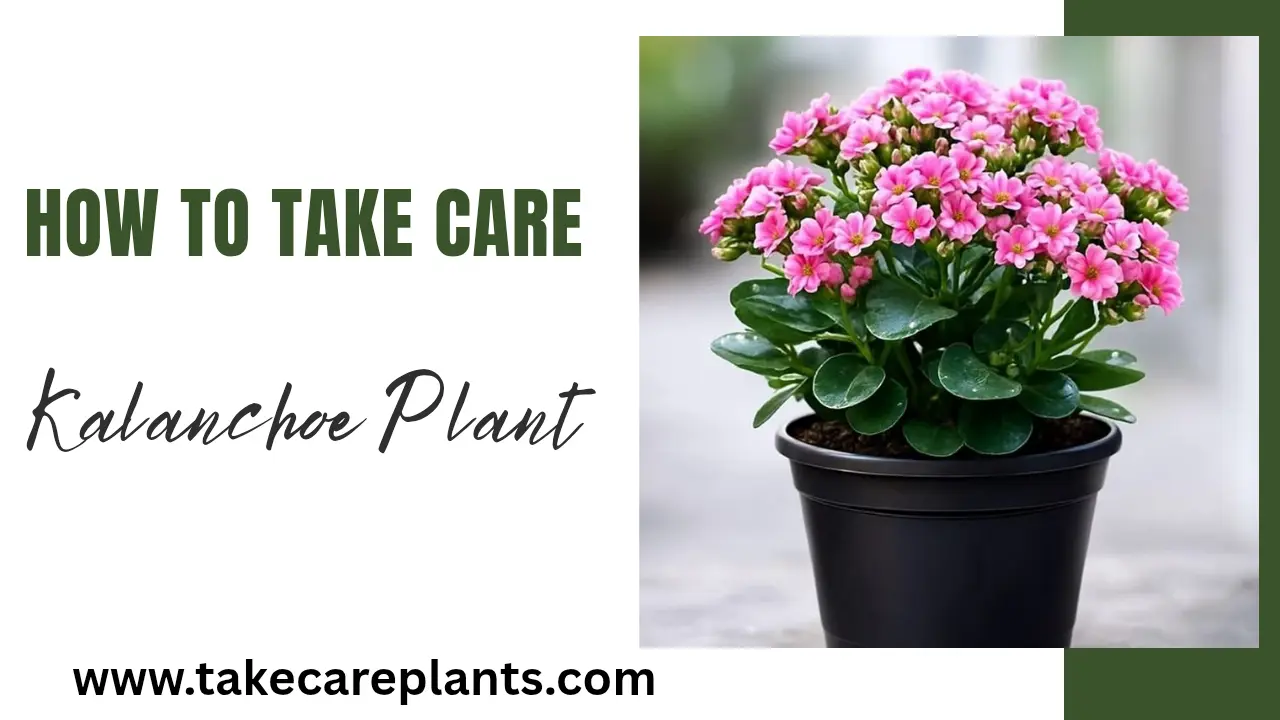
Quick Guide :- How to Take Care of a Kalanchoe Plant: Kalanchoe grows best in bright indirect sunlight, well-draining soil, and only needs watering when the soil feels dry. From my experience, avoiding overwatering and providing good airflow keeps the plant healthy and encourages long-lasting blooms.
How to take care of a Kalanchoe plant starts with understanding that it’s a succulent, not a thirsty houseplant. In my experience, bright light, well-draining soil, and watering only when the soil is dry are the keys to keeping it healthy and full of colorful blooms.
The first Kalanchoe I brought home looked beautiful for a few weeks, but then the leaves started turning yellow and soft. At first, I thought it needed more water. It turned out I was doing exactly the opposite of what the plant needed. Once I treated it like a succulent instead of a regular flowering plant, it quickly recovered. Since then, Kalanchoe has become one of the easiest plants in my collection, and every year it rewards me with vibrant flowers that last for weeks.
Table of Contents
What Is a Kalanchoe Plant?
Kalanchoe (Kalanchoe blossfeldiana) is a flowering succulent native to Madagascar. It is loved around the world for its thick, glossy leaves and clusters of bright flowers that bloom in shades of red, pink, yellow, orange, and white.
Because it stores water in its leaves, Kalanchoe can tolerate short dry periods much better than many common houseplants. It grows well indoors in bright rooms and outdoors in warm climates.
| Feature | Details |
|---|---|
| Botanical Name | Kalanchoe blossfeldiana |
| Plant Type | Flowering succulent |
| Sunlight | Bright indirect light or gentle morning sun |
| Watering | Allow soil to dry before watering |
| Soil | Fast-draining succulent mix |
| Temperature | 15–29°C (59–85°F) |
| USDA Zones | 10–12 (outdoors) |
| Bloom Time | Winter to spring, depending on conditions |
Give Your Kalanchoe Plenty of Light
From my experience, light makes the biggest difference. My healthiest Kalanchoe grows beside an east-facing window where it receives gentle morning sunlight and bright light throughout the day.
When I once moved it to a darker room, the leaves stayed healthy, but the flowers disappeared. After moving it back into brighter light, new flower buds appeared a few months later.
If you’re growing it indoors, place it near a bright window. Outdoors, morning sun and light afternoon shade work well in hot climates.
Water Less Than You Think
This is probably the most important lesson I’ve learned.
Many people lose their Kalanchoe because they water it too often. Since the plant stores water inside its leaves, it prefers slightly dry soil.
Before watering, I simply touch the soil. If the top few centimeters feel dry, I water deeply until excess water drains from the bottom of the pot.
During winter, I water even less because the plant grows more slowly.
A simple rule I always follow is this:
When you’re unsure whether to water today or tomorrow, waiting one more day is usually the better choice.
Choose Well-Draining Soil
Healthy roots need plenty of air.
I grow my Kalanchoe in a cactus and succulent potting mix because it drains quickly and doesn’t stay soggy after watering.
If you’re making your own soil mix, combine:
- 2 parts potting soil
- 1 part coarse sand or perlite
- 1 part coco coir or compost
This mixture holds enough moisture while allowing extra water to drain away.
Temperature and Humidity
Kalanchoe prefers moderate temperatures between 15–29°C (59–85°F).
It grows happily in normal household humidity, so there’s no need to mist the leaves.
If you live in a region with freezing winters, move outdoor plants inside before temperatures drop below 10°C (50°F).
Feeding for Better Flowers
Although Kalanchoe isn’t a heavy feeder, a little fertilizer during the growing season can make a noticeable difference.
I feed mine once every month in spring and summer using a balanced liquid fertilizer diluted to half strength.
Too much fertilizer encourages leafy growth instead of flowers, so I avoid feeding more often than necessary.
Pruning Keeps the Plant Compact
After the flowers fade, I remove the old flower stalks and trim any long stems.
This simple job helps the plant stay bushy and encourages fresh growth for the next flowering season.
I also remove any damaged or yellow leaves whenever I notice them.
Repotting
Kalanchoe grows slowly, so it doesn’t need frequent repotting.
I usually repot mine every two or three years or whenever I notice roots growing through the drainage holes.
Choose a pot that is only slightly larger than the current one. A pot that’s too large can hold extra moisture, increasing the risk of root rot.
Why Isn’t My Kalanchoe Blooming?
If your plant has healthy leaves but no flowers, the problem is often light.
I’ve found that Kalanchoe blooms best after receiving plenty of bright light and a period of longer nights during autumn.
To encourage flowering:
- Keep the plant in bright light.
- Avoid overwatering.
- Feed lightly during the growing season.
- Remove old flowers after blooming.
Patience is important. Once conditions improve, the plant usually blooms again.
Common Problems and Simple Solutions
| Problem | Likely Cause | Solution |
|---|---|---|
| Yellow leaves | Overwatering | Let the soil dry before watering again |
| Soft stems | Root rot | Improve drainage and reduce watering |
| No flowers | Not enough light | Move to a brighter location |
| Leggy growth | Low light | Increase daily light exposure |
| Brown leaf edges | Strong afternoon sun | Provide filtered light |
| Mealybugs | Pest infestation | Remove pests with neem oil or insecticidal soap |
Common Mistakes I See Beginners Make
The biggest mistake is treating Kalanchoe like a tropical houseplant.
It doesn’t need frequent watering, daily misting, or rich fertilizer every week.
Another mistake is placing it in a dark corner because it’s considered an indoor plant. Indoors doesn’t mean low light. It still needs plenty of brightness to stay compact and bloom well.
FAQ – how to take care kalanchoe plant
How often should I water Kalanchoe?
Only after the soil has dried. Depending on your climate, this is usually every 10–14 days.
Can Kalanchoe grow indoors?
Yes. It is one of the easiest flowering succulents for indoor growing if it receives enough light.
Does Kalanchoe need direct sunlight?
Morning sun is beneficial, but harsh afternoon sun can scorch the leaves in hot climates.
Is Kalanchoe safe for pets?
No. Kalanchoe can be toxic if eaten by cats or dogs, so keep it out of their reach.
Conclusion
Growing Kalanchoe has taught me that simple care often gives the best results. I don’t spend much time looking after mine, but I pay attention to the basics—bright light, fast-draining soil, and careful watering. That routine has kept my plants healthy for years and rewarded me with beautiful blooms season after season.
How to Take Care of Jade Plant Indoors | Complete Jade Plant Care Guide
