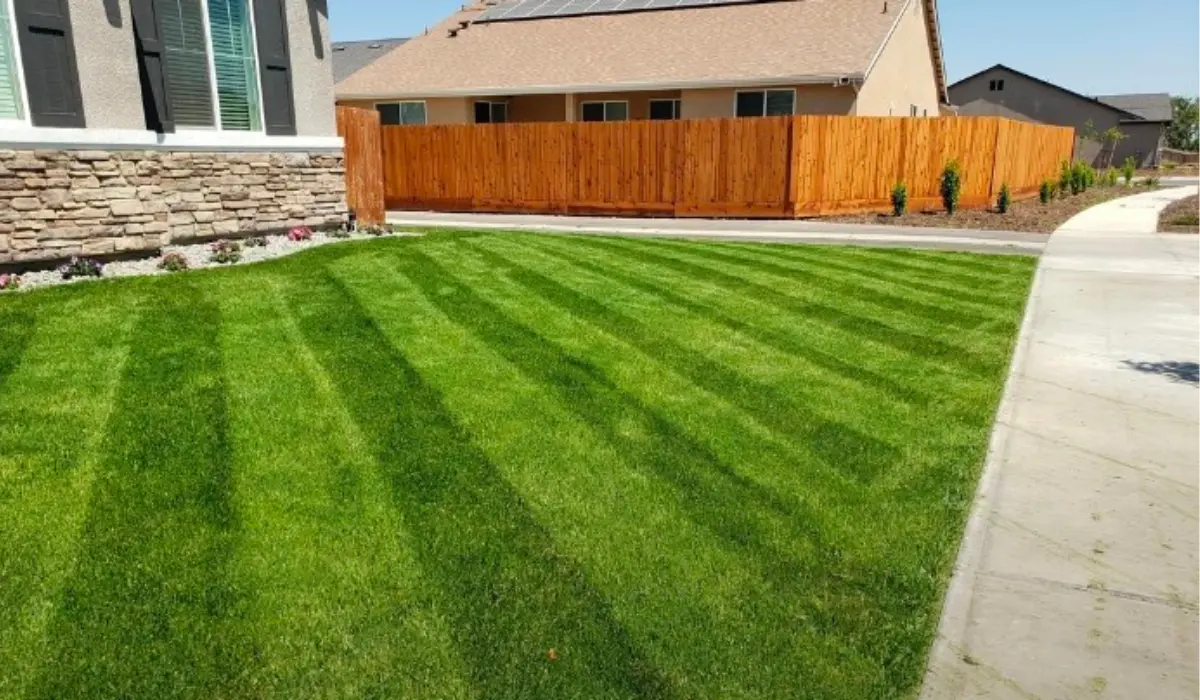
Planting a new lawn is exciting, but many homeowners wonder whether summer is the right time to sow grass seed. The short answer is yes, you can plant grass seed in the summer, but it requires more care than planting in spring or fall. High temperatures, intense sunlight, and faster soil drying can make it difficult for grass seed to germinate and establish strong roots.
In my experience caring for lawns and gardens, summer seeding can still produce great results if you prepare the soil properly and keep it consistently moist during the first few weeks. Understanding your grass type and following the right care routine will give your lawn the best chance of success.
IN THIS ARTICLE
About Grass Seed
| Feature | Details |
|---|---|
| Common Name | Grass Seed |
| Best Growing Season | Spring or Fall (Cool-season), Late Spring to Early Summer (Warm-season) |
| Sunlight | 6–8 hours of direct sunlight |
| Water Needs | Keep soil evenly moist until germination |
| Germination Time | 5–30 days depending on grass type |
| Difficulty | Moderate during summer |
Quick Guide
- Yes, grass seed can be planted in summer.
- Water lightly 2–3 times a day until seeds sprout.
- Avoid planting during extreme heat above 90°F (32°C).
- Cover seeds with a thin layer of compost or straw.
- Reduce foot traffic until the lawn becomes established.
- Choose the correct grass variety for your climate.
Is Summer a Good Time to Plant Grass Seed?
Summer is generally not the easiest season for planting grass seed, but it is still possible. Hot weather increases evaporation, causing soil to dry quickly. Newly planted seeds need constant moisture to germinate, so regular watering becomes essential.
If you live in a region with mild summers or can water consistently, summer planting can be successful. However, areas experiencing prolonged heatwaves may see lower germination rates.
Best Grass Types for Summer Planting
Choosing the right grass species makes a big difference.
Warm-Season Grasses
Warm-season grasses thrive in high temperatures and are ideal for summer planting.
Examples include:
- Bermuda Grass
- Zoysia Grass
- Bahia Grass
- Centipede Grass
These grasses grow actively in warm weather and establish quickly.
Cool-Season Grasses
Cool-season grasses prefer cooler temperatures and are more difficult to establish during summer.
Examples include:
- Kentucky Bluegrass
- Tall Fescue
- Fine Fescue
- Perennial Ryegrass
If planting these varieties during summer, extra watering and care are necessary.
How to Plant Grass Seed in Summer
1. Prepare the Soil
Remove weeds, stones, and old grass from the planting area. Loosen the top 2–3 inches of soil and mix in compost to improve drainage and moisture retention.
Healthy soil creates better conditions for seed germination.
2. Spread the Grass Seed Evenly
Use a handheld spreader or broadcast spreader for even coverage. Avoid placing too much seed in one area, as overcrowding reduces healthy growth.
Lightly rake the soil so the seeds have good contact with the ground.
3. Cover the Seeds
Apply a thin layer of compost, peat moss, or clean straw over the seeds.
This helps:
- Retain moisture
- Protect seeds from birds
- Reduce soil temperature
- Improve germination
Avoid covering seeds too deeply.
4. Water Frequently
Water is the most important factor during summer planting.
For the first two weeks:
- Water lightly 2–3 times daily.
- Keep the soil consistently moist but not waterlogged.
- Early morning watering is the best option.
- Reduce watering frequency once the grass reaches a few inches tall.
How Long Does Grass Seed Take to Germinate?
Germination depends on the grass variety and weather conditions.
Typical germination times:
- Ryegrass: 5–10 days
- Tall Fescue: 7–14 days
- Bermuda Grass: 10–21 days
- Kentucky Bluegrass: 14–30 days
Hot weather may slow germination if the soil dries out.
Common Mistakes to Avoid
Many lawns fail because of a few common mistakes.
Avoid these errors:
- Planting during extreme heat.
- Allowing soil to dry completely.
- Using too much grass seed.
- Mowing too early.
- Walking on newly seeded areas.
- Forgetting to prepare the soil before planting.
Lawn Care After Germination
Once your grass begins growing, continue proper maintenance.
- Water deeply but less often.
- Wait until grass reaches about 3–4 inches before mowing.
- Use a sharp mower blade.
- Apply a starter fertilizer if needed.
- Continue removing weeds by hand.
Healthy maintenance helps young grass develop stronger roots.
Can Grass Seed Survive High Temperatures?
Grass seed itself can tolerate warm weather, but newly germinated seedlings are much more sensitive. Extended periods of intense heat combined with dry soil may kill young plants before they establish.
Providing consistent moisture and avoiding planting during severe heatwaves greatly improves success.
Best Time of Day to Plant Grass Seed
The ideal time is:
- Early morning
- Late afternoon
- Early evening
Avoid sowing seed during the hottest part of the day when soil temperatures are highest.
FAQ – Grass Seed in the Summer
Can I plant grass seed when it’s 90°F?
Yes, but success depends on frequent watering. If temperatures remain above 90°F (32°C) for several days, it is often better to wait for cooler weather.
How often should I water summer grass seed?
Light watering two to three times daily is recommended until the seeds germinate. Once established, reduce watering frequency and water more deeply.
Should I fertilize after planting?
A starter fertilizer can encourage root development, but always follow the product label to avoid overfeeding young grass.
Is fall still the best season?
Yes. For most cool-season grasses, early fall remains the best time because cooler temperatures and regular rainfall create ideal growing conditions.
Conclusion
So, can you plant grass seed in the summer? Absolutely—but success depends on proper timing and consistent care. Keep the soil moist, avoid extreme heat whenever possible, choose the right grass variety for your climate, and protect young seedlings from drying out. With patience and regular watering, you can establish a lush, green lawn even during the warmer months.
Hydrangea Plant Heatwave Care: My Proven Tips to Protect Hydrangeas During Extreme Summer Heat
