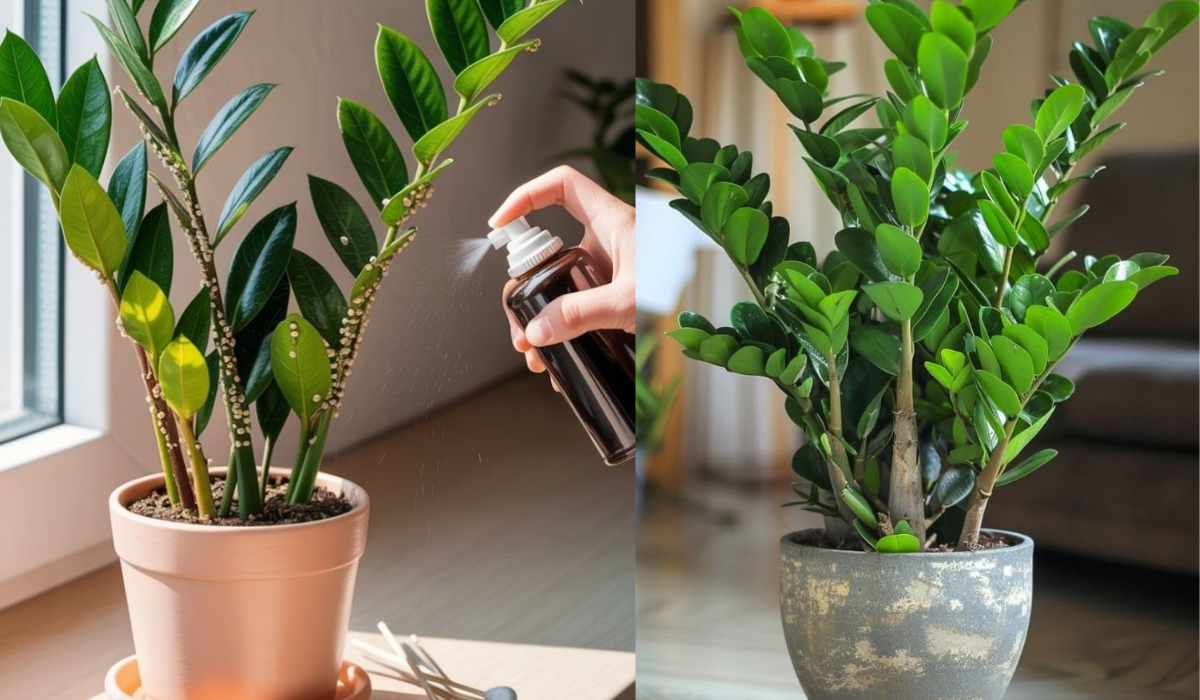
ZZ plant care is very easy when the plant receives bright, indirect sunlight, grows in fast-draining soil, and is watered only after the soil becomes fully dry. This hardy indoor plant can also survive in low-light conditions and needs very little maintenance, making it one of the best houseplants for beginners around the world. With proper care, ZZ plants develop glossy dark green leaves and remain healthy for many years indoors.
I have grown ZZ plants in my home for a long time, and honestly, it became one of the easiest indoor plants I have ever cared for. In the beginning, I made the common mistake of watering too often because the shiny leaves made the plant look thirsty all the time. After a few weeks, I noticed yellow leaves and soft stems developing near the soil. In this article, I am sharing my real gardening experience, simple care tips.
IN THIS ARTICLE
About this ZZ Plant
The ZZ plant is a tropical indoor plant known for its glossy leaves, drought tolerance, and ability to survive under low-light conditions. It is widely grown in homes and offices because it requires minimal care.
| Feature | Details |
|---|---|
| Botanical name | Zamioculcas zamiifolia |
| Common name | ZZ Plant |
| Plant type | Tropical perennial houseplant |
| Mature size | 2–4 feet tall indoors |
| Flowering season | Rarely flowers indoors |
| Native region | Eastern Africa |
| Indoor/outdoor use | Mainly indoor plant |
ZZ plants are famous for their thick underground rhizomes that store water, helping the plant survive dry indoor conditions easily.
Benefits of ZZ Plant
ZZ plants are popular not only because they are beautiful but also because they are extremely easy to maintain indoors.
- Helps improve indoor air freshness naturally
- Tolerates low-light indoor spaces
- Requires very little watering
- Adds a modern decorative look to homes and offices
- Perfect for beginners and busy plant owners
- Glossy leaves stay attractive throughout the year
I personally like keeping ZZ plants in workspaces because they stay green and healthy with very little care.
ZZ Plant Sunlight Requirements
Proper lighting is important for healthy ZZ plant growth. Although ZZ plants tolerate low light, they grow faster and produce shinier leaves in bright indirect sunlight.
I usually keep my ZZ plant near a bright window with filtered sunlight. Too much direct sun can burn the leaves.
- Place in bright indirect sunlight
- Can tolerate low-light conditions
- Avoid harsh afternoon direct sunlight
- Rotate the pot occasionally for balanced growth
- Very dark areas may slow growth
- Morning sunlight works well indoors
Good lighting helps maintain strong stems and glossy green foliage.
ZZ Plant Water Requirements
ZZ plants store water inside their thick rhizomes, which means they do not need frequent watering. Overwatering is the biggest problem people face with ZZ plants.
From my experience, allowing the soil to dry completely before watering keeps the plant healthiest.
- Water only after soil becomes fully dry
- Usually water every 2–4 weeks
- Reduce watering during winter months
- Empty excess water from saucers
- Overwatering causes yellow leaves and root rot
- Deep watering is better than daily small watering
ZZ plants tolerate dry soil much better than soggy conditions.
Best Soil for ZZ Plant
Well-draining soil is necessary for healthy ZZ plant roots. Heavy soil that holds water for too long can quickly cause root problems.
I personally use succulent potting mix because it drains excess water properly.
- Use fast-draining cactus or succulent soil
- Add perlite or coarse sand for airflow
- Avoid compact garden soil indoors
- Pots must have drainage holes
- Terracotta pots help soil dry faster
- Replace old compacted soil when needed
Healthy soil prevents root rot and supports strong root growth.
Best Temperature and Humidity for ZZ Plant
ZZ plants grow best in warm indoor temperatures and average humidity levels. They are very adaptable but dislike freezing conditions.
In my experience, stable room temperatures help ZZ plants grow steadily without stress.
- Ideal temperature: 18°C to 30°C
- Avoid temperatures below 10°C
- Average indoor humidity is suitable
- Keep away from cold drafts
- Avoid placing near heaters or AC vents
- Moderate airflow prevents fungal problems
Proper temperature conditions help maintain healthy leaf color and strong stems.
Best Fertilizer for ZZ Plant
ZZ plants are slow growers and do not require heavy feeding. Too much fertilizer can damage the roots and weaken the plant.
I feed my ZZ plant lightly during spring and summer using diluted liquid fertilizer.
- Use balanced liquid fertilizer monthly
- Fertilize during active growing season
- Avoid feeding during winter dormancy
- Dilute fertilizer to half strength
- Overfertilizing may cause weak growth
- Succulent fertilizer also works well
Light feeding supports healthy leaf growth without stressing the plant.
Common Problems and Solutions
ZZ plants are tough, but improper care can still create problems.
- Yellow leaves: Usually caused by overwatering. Allow soil to dry fully.
- Soft stems: Root rot due to soggy soil. Repot in fresh dry soil.
- Brown leaf tips: Dry indoor air or inconsistent watering.
- Slow growth: Common in very low light conditions.
- Leaf burn: Direct harsh sunlight can damage leaves.
- Pests: Clean leaves and use neem oil for mealybugs or spider mites.
Most ZZ plant problems improve after correcting watering habits and lighting conditions.
FAQ – ZZ Plant care guide
How often should I water a ZZ plant?
ZZ plants usually need watering every 2–4 weeks. Always let the soil dry completely before watering again.
Can ZZ plants survive in low light?
Yes, ZZ plants are famous for surviving in low-light indoor spaces, although brighter indirect light improves growth.
Why are my ZZ plant leaves turning yellow?
Yellow leaves are mostly caused by overwatering or poor drainage. Reduce watering frequency immediately.
Is ZZ plant good for beginners?
Yes, ZZ plants are one of the best beginner-friendly houseplants because they tolerate neglect and require minimal maintenance.
Conclusion
ZZ plants are among the easiest indoor plants to maintain successfully. With bright indirect sunlight, proper drainage, and careful watering, they can remain healthy and glossy for years. My own experience taught me that watering less is always safer than watering too often. Once you understand its simple needs, ZZ plant care becomes effortless for beginners and experienced gardeners alike.
One personal gardening tip I always follow is to check the soil deeply before watering because ZZ plants naturally prefer dry conditions over wet roots.
How to Take Care Spider Plant – with my experience
How to Take Care of Jade Plant Indoors | Complete Jade Plant Care Guide
