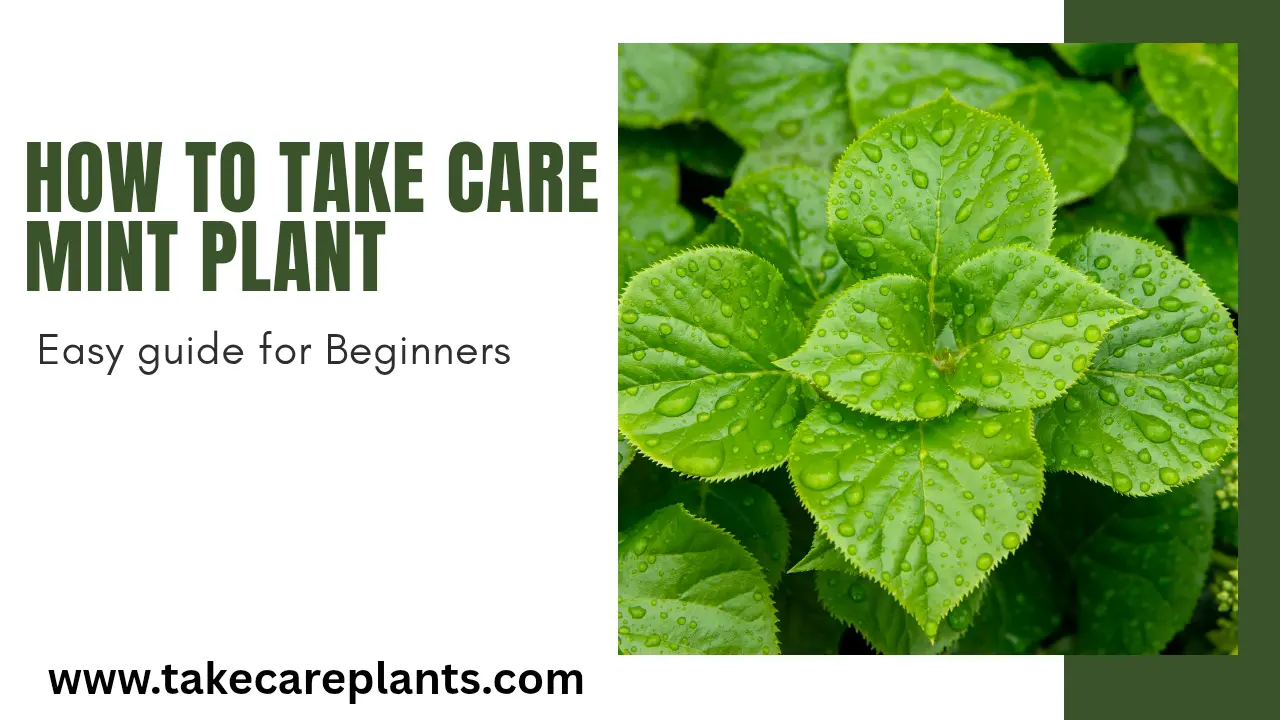
Mint Plant Care: Mint grows best in 4–6 hours of sunlight, well-draining soil, and regular watering to keep the soil slightly moist. Prune often, feed with organic fertilizer every few weeks, and harvest leaves regularly for healthy, bushy growth.
Mint plant care tips start with giving the plant enough moisture, soft sunlight, and rich soil. Mint is a fast-growing herb with bright green leaves and a refreshing fragrance that many people love in tea, drinks, salads, and home remedies. The leaves are small to medium-sized with slightly textured surfaces and soft stems that spread quickly. Some mint varieties also produce tiny white, purple, or pink flowers during warm months. People grow mint because it is easy to maintain.
I have grown mint plants for many years in pots, grow bags, and small garden beds. In the beginning, I faced common problems like yellow leaves from overwatering, weak growth from poor sunlight, and insects attacking fresh leaves during humid weather. Sometimes the roots spread too quickly and crowded the container, which slowed the plant’s growth. Through trial and error,I am sharing my real gardening experience.
IN THIS ARTICLE
About this Mint Plant
Mint is one of the most popular herbs grown worldwide because of its refreshing aroma and easy-growing nature. It belongs to the Mentha family and grows quickly in containers, kitchen gardens, and even indoors near sunny windows.
| Feature | Details |
|---|---|
| Botanical Name | Mentha |
| Common Name | Mint |
| Plant Type | Perennial herb |
| Mature Size | 12–24 inches tall |
| Flowering Season | Summer |
| Native Region | Europe, Asia, and North America |
| Indoor/Outdoor Use | Both indoor and outdoor |
Mint is loved by beginner gardeners because it grows quickly with minimal effort. With proper care, the plant can provide fresh leaves for cooking and herbal use almost all year.
Benefits of Mint Plant
The mint plant is more than just a kitchen herb. It offers many practical and health-related benefits while also improving the beauty of small spaces and gardens.
- Fresh mint leaves are widely used in tea, drinks, chutneys, and desserts.
- The plant releases a refreshing fragrance that makes balconies and kitchens smell pleasant.
- Mint can help attract beneficial pollinators like bees and butterflies.
- Many people use mint in homemade herbal remedies for digestion and freshness.
- It grows quickly, making it a great herb for beginner gardeners.
- Mint plants can help create a green and relaxing indoor environment.
Growing mint at home also saves money because fresh leaves are always available when needed. A healthy plant can provide regular harvests for months.
Mint Plant Sunlight Requirements
Mint grows best when it receives moderate sunlight every day. In my experience, too much harsh afternoon sun can burn the leaves, while very low light makes stems weak and leggy. The ideal balance is gentle morning sunlight with partial shade during hot afternoons. Indoor plants should be placed near bright windows where indirect light is available for several hours.
- Provide 4–6 hours of indirect or mild sunlight daily.
- Morning sunlight is better than strong afternoon heat.
- Indoor mint grows well near east-facing windows.
- Avoid deep shade because it slows leaf production.
- Rotate indoor pots weekly for even growth.
- Protect the plant from intense summer sunlight in very hot climates.
Proper sunlight keeps the leaves fresh, green, and flavorful. Light conditions are one of the biggest factors in successful mint plant care.
Mint Plant Water Requirements
Mint loves moisture, but overwatering is one of the most common beginner mistakes. I once watered my mint every day during rainy weather, and the roots started rotting. The leaves became yellow and weak within a week. Since then, I always check the soil before watering.
- Keep the soil slightly moist but never soggy.
- Water when the top inch of soil feels dry.
- Use pots with drainage holes to avoid root rot.
- Reduce watering during winter or rainy seasons.
- Avoid letting the plant sit in standing water.
- Mulching can help retain moisture in outdoor gardens.
Mint usually needs more frequent watering during hot weather because the leaves lose moisture quickly. Consistent but controlled watering helps maintain healthy growth.
Best Soil for Mint Plant
The right soil makes a huge difference in mint growth. Mint prefers loose, nutrient-rich soil that drains excess water easily. Heavy clay soil often causes root problems, while poor sandy soil dries too quickly.
- Use well-draining soil rich in organic matter.
- Add compost or aged manure for better nutrition.
- A mix of garden soil, coco peat, and compost works well.
- Slightly acidic to neutral soil is ideal.
- Avoid compacted soil that holds too much water.
- Refresh container soil every few months for healthy growth.
Healthy soil encourages faster root growth and greener leaves. In my garden, mint grows best when I mix homemade compost into the soil every few weeks.
Best Temperature and Humidity for Mint Plant
Mint adapts well to many climates, which is why people grow it worldwide. However, extreme heat or freezing temperatures can stress the plant. Moderate humidity and mild weather help mint produce soft and flavorful leaves.
- Ideal temperature is between 15°C to 27°C.
- Protect the plant from frost during winter.
- High humidity supports healthy leaf growth.
- In dry climates, mist the plant occasionally.
- Keep indoor plants away from hot air vents.
- During extreme summer heat, provide afternoon shade.
I noticed that mint grows fastest during mild spring and monsoon weather. During peak summer, leaves can dry out quickly if the plant is exposed to direct sunlight for too long.
Best Fertilizer for Mint Plant
Mint is not a heavy feeder, but regular nutrients improve leaf quality and overall growth. Over-fertilizing can reduce the strong aroma of the leaves, so balance is important.
- Use organic compost every 3–4 weeks.
- Liquid seaweed fertilizer works well for container plants.
- Avoid excessive nitrogen fertilizers.
- Apply diluted liquid fertilizer during active growth.
- Vermicompost helps improve soil health naturally.
- Stop heavy feeding during winter dormancy.
I personally prefer using kitchen compost and diluted organic liquid fertilizer because it keeps the leaves fresh and chemical-free. Natural fertilizers also improve soil texture over time.
Common Problems and Solutions
- Yellow leaves: Usually caused by overwatering. Allow the soil to dry slightly before watering again.
- Weak or leggy stems: Happens due to low sunlight. Move the plant to a brighter location.
- Brown leaf edges: Often caused by heat stress or underwatering. Increase watering slightly during hot weather.
- Pests like aphids or spider mites: Spray neem oil or mild soap water on leaves.
- Slow growth: Usually due to nutrient-poor soil. Add compost or organic fertilizer.
- Root crowding in pots: Repot the mint into a larger container when roots become compact.
Most mint problems can be fixed quickly if noticed early. Regular observation is one of the best gardening habits for healthy plants.
FAQ – mint plant care tips
How often should I water a mint plant?
Water the mint plant whenever the top layer of soil feels slightly dry. In hot weather, mint may need watering more frequently than during winter.
Can mint grow indoors?
Yes, mint grows very well indoors if it receives bright indirect sunlight. Place it near a sunny window with good airflow.
Why are my mint leaves turning yellow?
Yellow leaves are usually caused by overwatering or poor drainage. Reduce watering and make sure the pot has drainage holes.
Does mint need full sunlight?
Mint prefers partial sunlight rather than harsh full-day sun. Morning sunlight with afternoon shade works best in warm regions.
What is the best container for mint?
A medium-sized pot with good drainage is ideal. Mint spreads quickly, so wider containers usually work better than very small pots.
Conclusion
Growing mint at home is simple and rewarding when you understand its basic needs. Healthy mint plant care mainly depends on balanced watering, moderate sunlight, rich soil, and proper airflow. Mint is one of the easiest herbs for beginners because it adapts quickly and grows fast in containers or gardens. With regular observation, you can easily prevent common problems like yellow leaves, pests, or slow growth. Fresh mint leaves not only improve cooking but also make any space feel greener and fresher.
