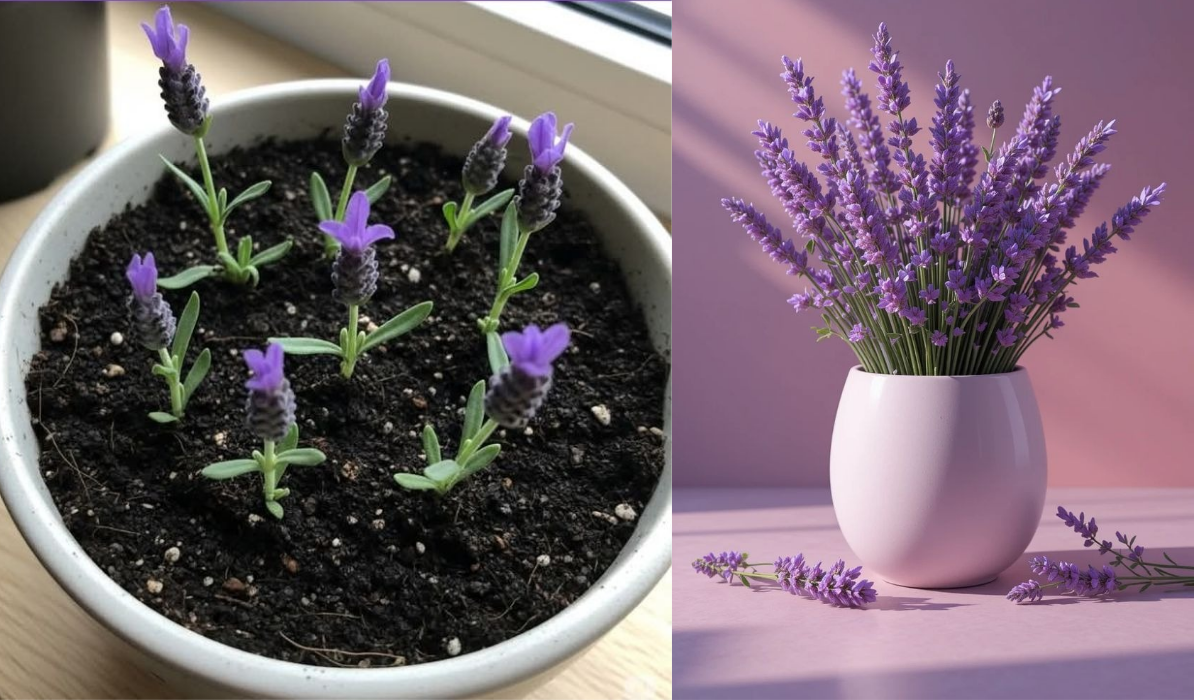
Lavender plant care is easy when you give the plant full sunlight, well-draining soil, and avoid too much watering. In my experience, lavender grows much better when left slightly dry instead of constantly wet. Many beginners lose their lavender plants because they water too often or keep the plant in low light conditions.
I have been growing lavender plants in pots and how to treat orchids, and I noticed that this plant prefers simple care. Once the roots become strong, lavender becomes one of the easiest low-maintenance flowering plants for home gardens. Its soft purple flowers, calming fragrance, and drought tolerance make it popular in many countries, especially in the US, Canada, and Australia.
IN THIS ARTICLE
About Lavender Plants
Lavender is a beautiful flowering herb known for its purple blooms and relaxing fragrance. It belongs to the mint family and is often grown for decoration, aromatherapy, pollinator gardens, and herbal use.
Lavender plants attract bees and butterflies naturally, which makes them very useful for healthy gardens. In my experience, lavender also helps create a peaceful look in outdoor spaces because of its soft color and bushy growth.
Quick Lavender Plant Care Tips
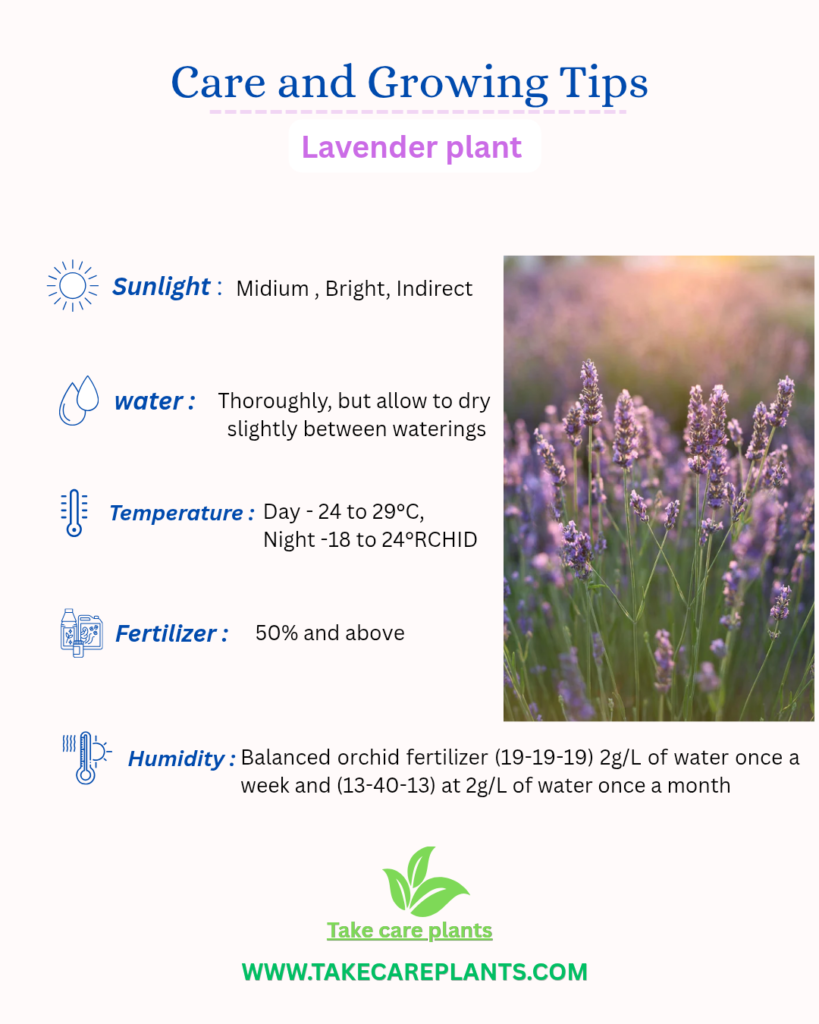
- Keep lavender in 6–8 hours of direct sunlight
- Use loose and fast-draining soil
- Water only when soil feels dry
- Avoid keeping roots wet for long periods
- Prune after flowering season
- Grow in pots with drainage holes
- Avoid over-fertilizing the plant
Best Sunlight for Lavender Plants
Lavender loves sunlight more than most flowering plants. I tried growing lavender in partial shade once, but the plant became weak and produced very few flowers. After moving it into full sun, the growth improved quickly.
For healthy growth, lavender needs:
- Full direct sunlight daily
- Open airflow around the plant
- Warm growing conditions
If growing indoors, place the plant near a bright south-facing or west-facing window.
Signs Your Lavender Needs More Sunlight
- Thin weak stems
- Fewer flowers
- Slow growth
- Pale green leaves
Good sunlight is one of the biggest secrets behind healthy lavender blooms.
How Often to Water Lavender
Overwatering is the most common lavender problem. In my experience, lavender survives dry soil much better than wet soil.
I normally water my lavender deeply once the soil becomes dry several inches below the top surface. During rainy weather or winter, I reduce watering even more.
Simple Watering Tips
- Water deeply but less often
- Allow soil to dry between watering
- Never keep soil soggy
- Reduce watering during cold weather
Container lavender may dry faster during summer, so always check the soil before watering.
Best Soil for Lavender Plants
Lavender roots need excellent drainage. Heavy soil traps moisture and often causes root rot.
I personally use a soil mix with:
- Garden soil
- Sand or perlite
- Small amount of compost
This keeps the soil loose while preventing excess moisture buildup.
Terracotta pots are also very helpful because they dry faster than plastic pots.
Temperature and Humidity
Lavender grows best in warm and dry climates. High humidity sometimes creates fungal problems, especially when airflow is poor.
In my garden, I always keep enough space between lavender plants so air can move freely around them.
Ideal Lavender Growing Conditions
- Warm sunny weather
- Moderate temperatures
- Low humidity
- Good airflow
Lavender handles heat much better than excessive moisture.
Best Fertilizer for Lavender
Lavender does not need heavy fertilizer feeding. Too much fertilizer often increases leafy growth instead of flowers.
In my experience, adding compost once during spring is usually enough for healthy plants.
If needed, use a light balanced fertilizer in small amounts.
How to Prune Lavender Plants
Pruning helps lavender stay compact and healthy. Without pruning, older plants may become woody and untidy.
I usually trim my lavender after the flowering season ends.
Lavender Pruning Tips
- Remove dry flower stems
- Trim lightly after blooming
- Avoid cutting old woody parts heavily
- Shape the plant gently
Regular pruning encourages fresh growth and better flowering next season.
Common Lavender Plant Problems
Yellow Leaves
Usually caused by:
- Overwatering
- Poor drainage
- High humidity
Lavender Not Flowering
This mostly happens because of:
- Low sunlight
- Too much fertilizer
- Lack of pruning
Root Rot
Root rot happens when soil stays wet for too long. Improving drainage and reducing watering usually helps prevent this issue.
Can Lavender Grow Indoors?
Yes, lavender can grow indoors if it receives enough sunlight. I have grown lavender successfully near sunny windows where the plant received strong direct light for several hours daily.
Indoor lavender plants usually need:
- Bright sunlight
- Good airflow
- Less watering during winter
Without enough sunlight, indoor lavender may become weak and stop flowering.
Best Lavender Varieties for Home Gardens
Some popular lavender varieties include:
- English Lavender
- French Lavender
- Spanish Lavender
- Lavandin
English lavender is one of the easiest types for beginners because it adapts well to different climates.
Does Lavender Like Full Sun or Shade?
From my experience, lavender grows best in full sun. I always plant it where it gets at least 6–8 hours of direct sunlight daily, which helps produce more flowers and stronger growth.
Do Lavender Plants Need Cut Back?
Yes, I regularly prune my lavender plants after flowering. Cutting them back helps keep the plant bushy, healthy, and prevents it from becoming woody.
Will Lavender Grow After Cutting?
In my garden, lavender usually grows back well after a light trim. Just avoid cutting into the old woody stems, as they often do not produce new growth.
What’s the Best Time to Propagate Lavender?
I have had the best success propagating lavender in spring and early summer. Soft stem cuttings root faster during this active growing season.
Conclusion
Learning how to take care of a lavender plant becomes much easier once you understand its natural growing habits. Lavender prefers sunlight, dry soil, and simple care instead of constant attention.
From my gardening experience, the healthiest lavender plants are usually the ones that are not over watered. With proper sunlight, well-draining soil, and occasional pruning, lavender can produce beautiful flowers and fragrance for many years in both pots and garden landscapes.
