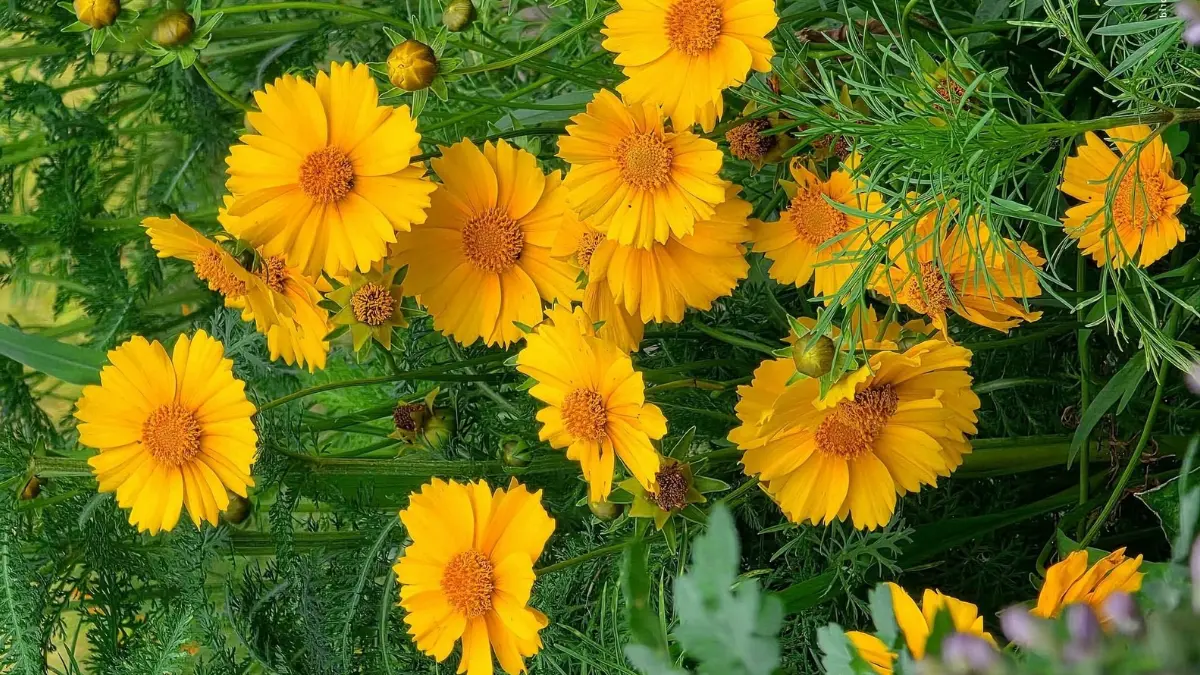
Quick Guide: Plant wildflower seeds in spring after the last frost or fall before winter. Sow them in well-drained soil with 6–8 hours of sunlight, keep the soil lightly moist until germination, and enjoy colorful blooms with minimal care.
When to plant wildflower seeds depends on your local climate, but in my experience, the best time is either early spring or fall. I have grown different types of wildflowers over the years, and planting them at the right time always made the biggest difference. Healthy seedlings, stronger roots, and more colorful flowers all started with choosing the correct planting season.
I have been growing flowers and other plants in my home garden for years, and one lesson I learned is that wildflowers are much easier to grow than many people think. They don’t need constant care, but they do need proper timing. In this guide, I’m sharing what has worked best for me so you can enjoy a garden full of colorful blooms.
IN THIS ARTICLE
What Are Wildflowers?
Wildflowers are flowering plants that grow naturally without much human care. They come in many colors, sizes, and bloom periods, making them perfect for home gardens, borders, and pollinator-friendly landscapes.
Some wildflowers are annuals that bloom in one season, while others are perennials that return every year.
When to Plant Wildflower Seeds
From my gardening experience, there are two ideal planting seasons.
Plant Wildflower Seeds in Spring
Spring is the easiest and safest season for most gardeners.
Benefits of spring planting:
- Soil begins warming naturally.
- Seeds germinate faster.
- Less chance of frost damage.
- Plants establish before summer.
- Great for beginners.
I usually sow seeds after the last frost when the soil is workable. The seedlings emerge within a few weeks if moisture is consistent.
Plant Wildflower Seeds in Fall
Fall planting is another excellent option, especially for perennial wildflowers.
Why I like fall planting:
- Winter naturally breaks seed dormancy.
- Earlier blooms in spring.
- Less watering required.
- Cooler weather reduces stress.
- Strong root development.
Many native wildflowers actually perform better when planted in autumn because they experience natural cold stratification.
Best Time Based on Climate
The perfect planting time depends on where you live.
| Climate | Best Time to Plant |
|---|---|
| Cold regions | Spring after the last frost |
| Mild climates | Fall or early winter |
| Warm climates | Late fall through winter |
| Temperate areas | Spring or fall |
I always recommend checking your local frost dates before sowing seeds.
Soil Preparation Before Planting
Healthy soil leads to better germination.
Before planting, I always prepare the area carefully.
- Remove weeds completely.
- Loosen the top 2–3 inches of soil.
- Do not add too much fertilizer.
- Level the surface.
- Water lightly before sowing if the soil is dry.
Wildflowers actually prefer average soil rather than overly rich soil.
How I Plant Wildflower Seeds
My planting method is very simple.
- Scatter seeds evenly across the soil.
- Mix tiny seeds with dry sand for even spreading.
- Lightly press seeds into the soil.
- Do not bury very small seeds deeply.
- Water gently after planting.
- Keep soil slightly moist until germination.
This simple method has given me excellent results every season.
How Long Do Wildflower Seeds Take to Germinate?
Most wildflower seeds germinate within 7 to 30 days, depending on the variety and weather.
Factors affecting germination include:
- Soil temperature
- Moisture
- Seed variety
- Sunlight
- Planting depth
Patience is important because some native species naturally germinate more slowly.
Sunlight Requirements
Most wildflowers love sunlight.
For the healthiest blooms, I always choose an open location.
- 6–8 hours of direct sunlight is ideal.
- Avoid planting under dense trees.
- Good airflow helps prevent diseases.
- Morning sunlight is especially beneficial.
Watering Tips
Wildflowers don’t require heavy watering once established.
My watering routine is simple.
- Water immediately after sowing.
- Keep soil moist during germination.
- Reduce watering after plants establish.
- Water deeply during long dry periods.
- Avoid overwatering.
Too much water often causes weaker plants than slightly dry conditions.
Common Mistakes to Avoid
These are mistakes I made when I first started growing wildflowers.
- Planting seeds too deep.
- Using too much fertilizer.
- Planting before the correct season.
- Overwatering seedlings.
- Allowing weeds to compete with young plants.
- Choosing too much shade.
Avoiding these mistakes greatly improves flowering success.
Benefits of Growing Wildflowers
Growing wildflowers offers many rewards beyond beautiful flowers.
- Attract butterflies and bees.
- Support local pollinators.
- Require less maintenance.
- Need less fertilizer.
- Improve biodiversity.
- Add natural beauty to gardens.
- Many varieties self-seed for future blooms.
These benefits are one reason I continue planting wildflowers every year.
FAQ – Grow Wildflowers
What is the best month to plant wildflower seeds?
In most areas, spring after the last frost or fall before winter provides the best results.
Can I plant wildflower seeds directly in the ground?
Yes. Wildflower seeds usually perform best when sown directly where they will grow.
Do wildflower seeds need full sun?
Most varieties prefer at least six hours of direct sunlight each day.
How often should I water wildflower seeds?
Keep the soil evenly moist during germination, then water only when necessary after the plants become established.
Will wildflowers come back every year?
Perennial wildflowers usually return each year, while annual varieties complete their life cycle in one season but may self-seed.
Conclusion
Knowing when to plant wildflower seeds is the first step toward creating a colorful and healthy garden. Based on my gardening experience, planting in spring or fall gives the best results for most wildflower varieties. With proper timing, good sunlight, and simple care, you can enjoy months of beautiful blooms while supporting bees, butterflies, and other pollinators. Whether you’re a beginner or an experienced gardener, wildflowers are one of the easiest and most rewarding plants to grow at home
You May Also Like
