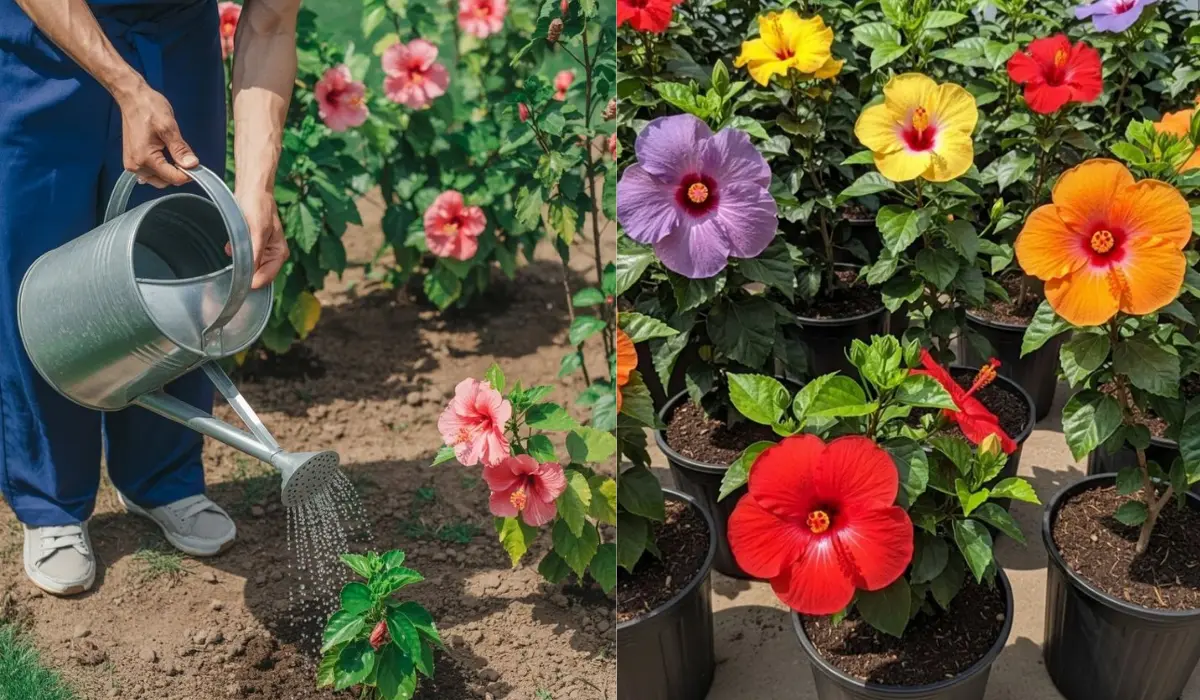
Hibiscus plant care is not difficult once you understand what the plant needs. From my experience, hibiscus rewards you with large, colorful flowers when it gets the right amount of sunlight, water, nutrients, and occasional pruning. If you are looking for simple and practical hibiscus care tips, this guide will help you grow a healthy plant with more blooms throughout the season.
I have been growing hibiscus plants in pots and in the garden for several years. During that time, I learned that hibiscus is a heavy feeder and loves consistent care. When I first started gardening, I made mistakes with watering and fertilizing, which resulted in fewer flowers. After understanding the plant’s needs, my hibiscus started producing beautiful blooms almost continuously. In this article, I am sharing the methods that have worked best for me.
IN THIS ARTICLE
About the Hibiscus Plant
Hibiscus is one of the most popular flowering plants because of its large and attractive flowers. It is commonly grown in gardens, balconies, terraces, and patios.
Hibiscus Plant Information
| Feature | Details |
|---|---|
| Common Name | Hibiscus |
| Botanical Name | Hibiscus rosa-sinensis |
| Plant Type | Flowering shrub |
| Sunlight | Full sun |
| Soil Type | Well-draining, slightly acidic soil |
| Soil pH | 6.5 to 6.8 |
| Water Needs | Moderate to high |
| Flower Color | Red, pink, yellow, orange, white, and more |
| Growth Habit | Bushy shrub |
Best Soil for Hibiscus Plant
One thing I noticed early on is that soil quality directly affects flowering.
Hibiscus grows best in slightly acidic soil with a pH between 6.5 and 6.8. The soil should retain enough moisture while allowing excess water to drain away quickly.
For container-grown hibiscus, I use a mixture containing:
- Garden soil
- Compost
- Coco coir
- Perlite or vermiculite
This combination keeps the roots healthy and prevents waterlogging. Poor drainage often leads to root problems and weak growth.
How Much Sunlight Does Hibiscus Need?
In my experience, sunlight is the biggest factor behind heavy flowering.
Hibiscus performs best when it receives:
- 6 to 8 hours of direct sunlight daily
- Morning sunlight whenever possible
- Good air circulation around the plant
Plants growing in too much shade may produce lots of leaves but very few flowers.
During extremely hot summer afternoons, potted hibiscus may appreciate some light protection from intense heat.
Best Time to Water Hibiscus
Proper watering is essential for healthy growth.
Newly Planted Hibiscus
When I plant a new hibiscus, I water it every couple of days during the first few weeks. This helps the roots establish quickly.
Established Hibiscus
Once the plant is established:
- Water deeply once or twice a week.
- Increase watering during hot weather.
- Reduce watering during rainy periods.
Best Time of Day for Watering
From my experience, the best time to water hibiscus is:
Early morning between 6 AM and 9 AM.
Morning watering allows the roots to absorb moisture before temperatures rise and helps reduce disease problems.
Avoid watering late at night because constantly wet soil can encourage fungal issues.
Temperature and Humidity Requirements
Hibiscus enjoys warm conditions.
The ideal temperature range is:
- 60°F to 85°F (15°C to 29°C)
I have observed that flowering slows significantly when temperatures become too cold.
Temperature Problems
- Below 50°F (10°C): Growth slows down.
- Frost conditions: Serious damage may occur.
- Extreme heat: Flower buds may drop before opening.
If you live in a cold region, move potted hibiscus indoors before frost arrives.
Best Fertilizer for Hibiscus
One reason hibiscus flowers continuously is because it uses a lot of nutrients.
I feed my hibiscus regularly during the growing season.
A balanced fertilizer such as:
- 20-20-20
- 12-4-8
- Similar flowering plant fertilizers
works very well.
Fertilizing Schedule
- Apply fertilizer in early spring.
- Continue feeding every 3 to 4 weeks during active growth.
- Reduce feeding during winter.
Avoid excessive nitrogen because it can encourage leaf growth at the expense of flowers.
How to Prune Hibiscus
Pruning is one of the best ways to keep hibiscus healthy and blooming.
Best Time to Prune Hibiscus
From my experience, the ideal time for major pruning is:
- Late winter
- Early spring before new growth begins
Light trimming can also be done throughout the growing season.
Steps for Pruning
- Remove dead or damaged branches.
- Cut weak stems.
- Trim long branches to improve shape.
- Remove crossing branches.
- Clean up crowded growth.
Pruning encourages:
- More branches
- Better airflow
- More flower buds
- A fuller plant shape
After pruning, I usually notice fresh growth appearing within a few weeks.
How to Remove Pests from Hibiscus Plant
Like many flowering plants, hibiscus can attract pests.
The good news is that most infestations can be controlled naturally when detected early.
Common Pest Control Methods
- Spray neem oil every 7 to 10 days.
- Wash leaves with a strong stream of water.
- Remove heavily infested leaves.
- Use insecticidal soap if necessary.
- Keep the area around the plant clean.
Regular inspection is the easiest way to prevent major infestations.
Hibiscus Plant Diseases and Treatment
Leaf Spot: Remove affected leaves, improve air circulation, and avoid wetting the foliage while watering.
Root Rot :Improve soil drainage, reduce watering frequency, and remove severely damaged roots
Powdery Mildew: Increase airflow around the plant and apply an appropriate fungicide if needed.
Fungal Stem Problems: Prune infected stems and avoid overwatering.
Common Hibiscus Problems and Solutions
Leaves Turning Yellow: Check watering habits. Both overwatering and underwatering can cause yellow leaves.
Flower Buds Falling Off : Maintain consistent watering and avoid sudden temperature changes.
No Flowers : Increase sunlight exposure and use a balanced fertilizer.
Wilting Leaves: Check soil moisture levels and inspect roots for drainage issues.
Slow Growth : Feed the plant regularly and ensure it receives adequate sunlight.
Growing Hibiscus in Pots
Many gardeners successfully grow hibiscus in containers.
For best results:
- Choose a pot with drainage holes.
- Use high-quality potting mix.
- Repot every 2 to 3 years.
- Feed more frequently than garden-grown plants.
- Water consistently during summer.
Container-grown hibiscus can bloom just as heavily as plants grown in the ground.
Conclusion
From my gardening experience, hibiscus is one of the most rewarding flowering plants you can grow. Once you provide the right balance of sunlight, water, nutrients, and occasional pruning, the plant responds with healthy growth and beautiful flowers. By using well-draining slightly acidic soil, watering in the morning, fertilizing regularly, and monitoring for pests and diseases, you can enjoy a thriving hibiscus plant that blooms for many months each year.
Areca Palm Care Tips: Real Experience Based Simple Indoor Plant Guide
Rosemary Plant Care Tips: Complete Growing Guide with my experience
