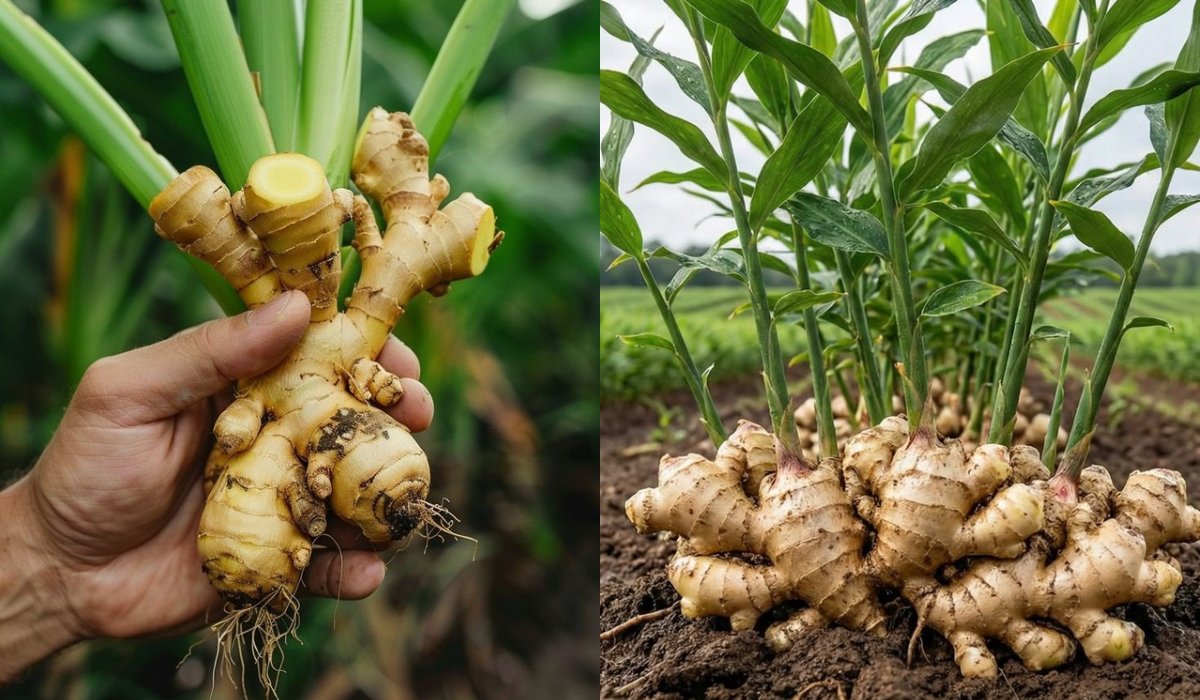
Quick guide:–
Best Conditions for Ginger Root to Grow: Ginger grows best in warm temperatures (20–30°C), bright indirect sunlight, and well-draining, compost-rich soil. From my experience, keeping the soil evenly moist without overwatering helps produce healthy, flavorful ginger roots.
If you’re thinking about growing ginger at home, the good news is that it’s much easier than many people think. In my experience, ginger is one of those plants that doesn’t ask for much attention, but when you provide the right conditions, it rewards you with healthy growth and a good harvest. Over the years, I’ve grown ginger in both garden beds and containers, and I’ve noticed that a few simple factors make all the difference.
As someone who comes from a farming family and has spent years growing plants, vegetables, and herbs, I’ve learned that understanding a plant’s natural environment is the key to success. Ginger naturally grows in warm, tropical regions, so the closer we can recreate those conditions, the better it performs.
IN THIS ARTICLE
Why Ginger Is a Great Plant to Grow
Ginger is grown from underground rhizomes, often called ginger roots. It’s widely used in cooking, tea, and traditional home remedies. One of the things I like most about growing ginger is that it doesn’t require a large garden. Even a small container on a balcony can produce a healthy crop.
The first time I grew ginger, I planted a few pieces of store-bought ginger in a grow bag and placed them in a warm, partially shaded corner of my garden. A few weeks later, fresh green shoots started emerging from the soil. Watching those shoots grow into healthy plants was incredibly satisfying.
Warm Temperatures Help Ginger Thrive
From my experience, temperature is one of the most important factors for growing ginger successfully.
Ginger loves warmth and grows best when temperatures stay between 68°F and 86°F (20°C to 30°C). Whenever the weather is consistently warm, growth becomes noticeably faster. During cooler periods, the plant tends to slow down and focus more on survival than growth.
If you live in a colder climate, growing ginger in containers can be a smart choice because you can move the plants indoors when temperatures drop.
The Best Soil for Healthy Ginger Roots
One mistake many beginners make is planting ginger in heavy soil that stays wet for too long.
I learned this lesson early on when a few of my ginger rhizomes started rotting after periods of heavy rain. Since then, I’ve always used loose, well-draining soil rich in organic matter.
For the best results, I prefer a mix that contains:
- Garden soil
- Compost or vermicompost
- Coco peat or coarse sand
This combination provides enough moisture while still allowing excess water to drain away. Healthy roots need both water and oxygen, and well-draining soil provides that balance.
How Much Sunlight Does Ginger Need?
Many gardeners assume that ginger needs full sun all day, but that hasn’t been my experience.
The healthiest ginger plants in my garden usually grow in locations that receive morning sunlight and afternoon shade. Ginger naturally grows beneath taller plants in tropical forests, so it prefers filtered or indirect light.
Too much harsh afternoon sun can stress the plant, especially during the hottest months of summer. If you’re growing ginger in containers, placing them where they receive bright indirect light often produces excellent results.
Keeping the Soil Consistently Moist
Ginger enjoys moisture, but it doesn’t like sitting in waterlogged soil.
When I first started growing ginger, I made the mistake of watering too frequently. The soil stayed wet for long periods, and growth slowed significantly. Since then, I’ve adopted a much simpler approach.
I check the soil with my finger before watering. If the top layer feels slightly dry, it’s time to water. If it’s still moist, I wait another day or two.
This method has helped me avoid both overwatering and underwatering.
Humidity Makes a Big Difference
One thing I’ve noticed over the years is that ginger grows especially well during the rainy season.
The combination of warm temperatures and high humidity creates ideal growing conditions. The leaves stay greener, the stems grow stronger, and the underground rhizomes develop more quickly.
If you’re growing ginger indoors, occasional misting or placing the pot near other plants can help increase humidity around the plant.
Feeding Ginger Naturally
I prefer using organic fertilizers whenever possible.
In my garden, compost and vermicompost have consistently produced the best results. Not only do they improve soil quality, but they also provide a slow and steady supply of nutrients.
Every few weeks during the growing season, I add a thin layer of compost around the base of the plant. This simple habit has helped me grow larger and healthier ginger rhizomes without relying heavily on chemical fertilizers.
Common Growing Mistakes to Avoid
Over the years, I’ve seen a few mistakes that can reduce ginger growth:
- Planting in compacted soil
- Giving too much direct afternoon sunlight
- Overwatering the soil
- Growing ginger in cold temperatures
- Using containers without drainage holes
Avoiding these mistakes can significantly improve your chances of a successful harvest.
When Is Ginger Ready to Harvest?
Patience is important when growing ginger.
In most cases, ginger takes around 8 to 10 months to fully mature. As harvest time approaches, the leaves begin turning yellow and the plant gradually starts drying back.
Whenever I harvest ginger, I’m always amazed by how much growth happened beneath the soil surface. Digging up fresh, homegrown ginger is one of the most rewarding moments in gardening.
Conclusion
In my experience, the best conditions for ginger root to grow are warm temperatures, rich well-draining soil, consistent moisture, partial sunlight, and moderate to high humidity. Ginger is not a difficult plant to grow, but it performs best when its natural tropical environment is recreated as closely as possible. With a little patience and the right care, even beginner gardeners can enjoy harvesting fresh ginger right from their own garden or container.
7 Best Tomato Varieties for Pots and Containers
How to Grow Tomatoes in Pots and Containers – My Personal Gardening Experience
