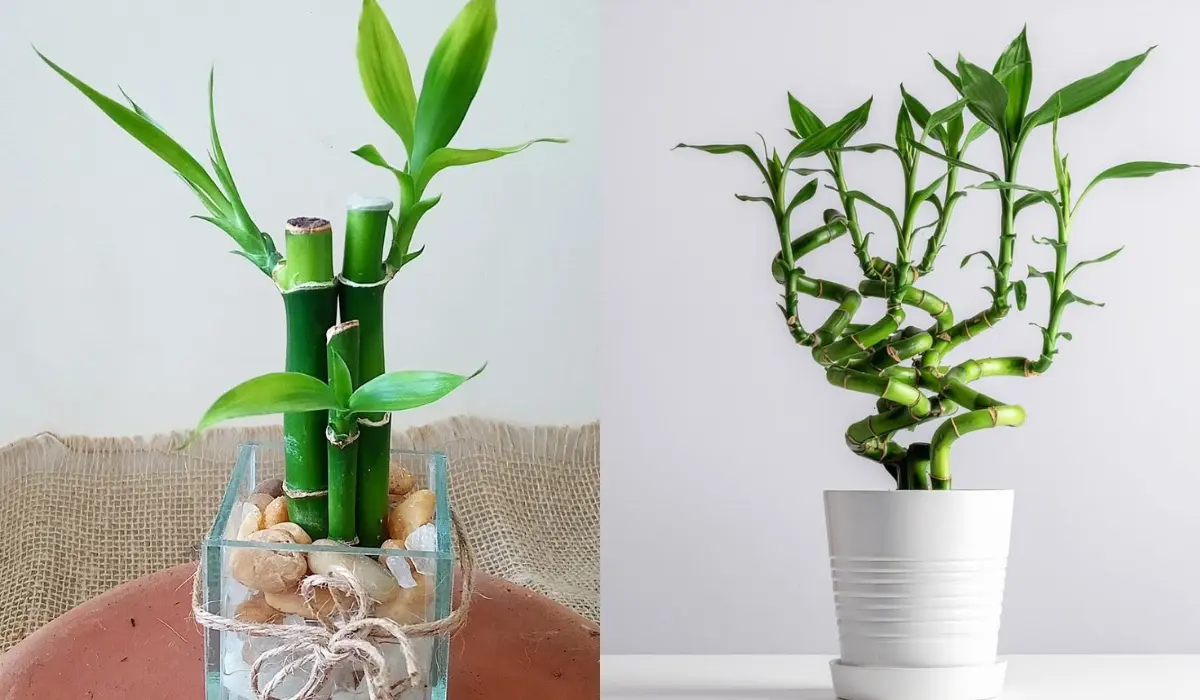
Lucky Bamboo is one of the easiest and most popular indoor plants that you can grow at home. In this guide, I am sharing my personal gardening experience on how I grow Lucky Bamboo successfully in both water and soil. This is not just theory, but practical experience that works in real homes, even for beginners.
This plant is known for its low maintenance, beautiful green stalks, and positive energy vibes. Many people also keep it for good luck and Feng Shui benefits. If you are someone who forgets watering plants or you are a beginner in gardening, then Lucky Bamboo is the perfect plant to start with.
IN THIS ARTICLE
About Lucky Bamboo Plant
Lucky Bamboo (Dracaena sanderiana) is not actually a bamboo plant. It belongs to the Dracaena family. It grows naturally in tropical rainforests of Africa, but now it is widely grown as an indoor decorative plant across the world.
From my experience, this plant grows very well in low light conditions and does not demand much care. I have kept it in my living room, office table, and even in kitchen corners, and it always stays green and healthy when basic care is followed.
Step 1: Choose Healthy Lucky Bamboo Plant
The first and most important step is selecting a healthy plant.
When I buy Lucky Bamboo, I always check:
- Stalk should be bright green, not yellow
- No black spots or soft stems
- Roots should be white or light orange
- Leaves should not be dry or curled
A healthy plant will grow faster and survive longer indoors.
Step 2: Water Growing Method (Most Common)
One of the easiest ways to grow Lucky Bamboo is in water. I personally prefer this method for home decoration.
How I do it:
- Take a clean glass vase or jar
- Add pebbles or small stones at the bottom
- Place the plant upright
- Fill with clean water up to roots
Important care tips from my experience:
- Always use filtered or RO water
- Change water every 7–10 days
- Do not use chlorinated tap water directly
- Keep water level just enough to cover roots
If water becomes dirty or smells, the plant can rot quickly, so cleaning is very important.
Step 3: Soil Growing Method (Long-Term Growth)
Many people don’t know that Lucky Bamboo also grows well in soil.
I have grown a few stalks in pots, and they actually grow stronger compared to water ones.
Soil setup:
- Use well-draining potting mix
- Mix soil with sand or coco peat
- Use a pot with drainage holes
Watering in soil:
- Water only when top soil feels dry
- Do not overwater
- Keep soil slightly moist, not wet
From my experience, soil-grown plants need less frequent care once they settle.
Step 4: Light Requirement (Very Important)
One of the biggest reasons people fail with Lucky Bamboo is incorrect light exposure.
Ideal light conditions:
- Bright indirect sunlight
- Near window with filtered light
- Avoid direct harsh sunlight
My experience:
I kept one plant in direct sunlight and it turned yellow within days. Another plant placed near a curtain-filtered window stayed green for years. So always avoid direct sun.
Step 5: Temperature and Environment
Lucky Bamboo prefers warm and stable temperature.
Ideal conditions:
- Temperature: 18°C to 30°C
- Avoid cold drafts
- Avoid AC direct airflow
In winter, I always move my plant slightly away from cold windows, and it stays healthy.
Step 6: Fertilizing for Better Growth
This plant does not need heavy fertilizing, but a little care improves growth.
My fertilizing routine:
- Use liquid fertilizer once every 30–45 days
- Use very diluted solution (important)
- Avoid over-fertilizing
Too much fertilizer can burn roots, so always keep it light.
Step 7: Pruning and Maintenance
Pruning helps in keeping the plant attractive and balanced.
What I do:
- Remove yellow or dry leaves
- Trim overgrown stalks if needed
- Clean dust from leaves regularly
This keeps the plant fresh and healthy-looking.
Step 8: Propagation (Growing New Plants)
One of the best things about Lucky Bamboo is easy propagation.
Simple method:
- Cut a healthy stalk above a node
- Place cutting in water
- New roots will start growing in 2–4 weeks
I have personally grown multiple new plants from one original stem using this method.
Common Problems and Solutions
Based on my gardening experience, here are some common issues:
1. Yellow Leaves
- Cause: Direct sunlight or bad water
- Solution: Move to shade and change water
2. Black Stem
- Cause: Rot due to dirty water
- Solution: Cut affected part immediately
3. Slow Growth
- Cause: Low light or no nutrients
- Solution: Add indirect light and mild fertilizer
4. Curling Leaves
- Cause: Dry air or underwatering
- Solution: Maintain humidity and proper watering
My Personal Experience with Lucky Bamboo
I started growing Lucky Bamboo around my desk because I wanted a low-maintenance indoor plant. Slowly, I learned how flexible and strong this plant is.
Even when I ignored it for days, it survived. But I also noticed one thing—small care makes a big difference. Clean water, indirect light, and patience are enough to keep it healthy for years.
Now I have multiple pots of Lucky Bamboo at home, and I also gift it to friends because it is easy to maintain and looks beautiful anywhere.
Conclusion
Growing Lucky Bamboo at home is extremely simple if you follow the right steps. Whether you choose water or soil method, basic care like proper light, clean water, and occasional maintenance is enough.
From my personal gardening experience, I can say that Lucky Bamboo is one of the best indoor plants for beginners, office desks, and home decoration. It is low maintenance, long-lasting, and adds a natural green touch to any space.
If you are starting your plant journey, Lucky Bamboo is the perfect choice to build confidence in gardening.
Areca Palm Care Tips: Real Experience Based Simple Indoor Plant Guide
