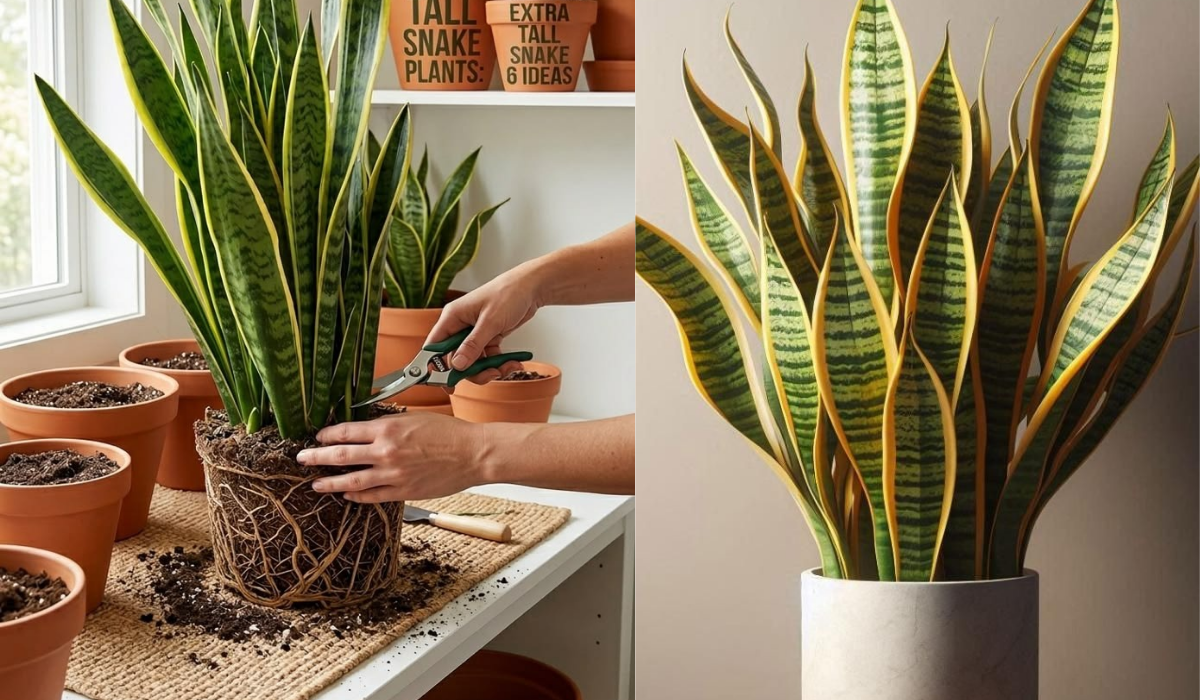
Snake Plant (Mother-in-Law’s Tongue) is one of the easiest indoor plants to grow. It thrives in bright or low light, needs very little water, and helps improve indoor air quality. With minimal care, this hardy plant stays healthy and adds a modern green touch to any home or office.
Snake plant care tips are simple to follow when you understand how this tough and beautiful plant grows naturally. The snake plant has long, upright leaves with pointed tips and unique green patterns that make it look modern and stylish in any room. Some varieties have dark green leaves with light stripes, while others have yellow edges. this plant easily becomes the center of attention.
I have grown snake plants for several years, and during the beginning, I made many common mistakes. I overwatered the plant, which caused soft yellow leaves and root rot. At one point, I also kept the plant in a dark corner where growth became very slow. I even noticed pest attacks during humid weather. Over time, I learned what this plant truly needs to stay healthy. In this article, I am sharing my real gardening experience
IN THIS ARTICLE
About this Snake Plant
The snake plant is one of the easiest houseplants for beginners. It belongs to the succulent family and stores water inside its thick leaves, which helps it survive dry conditions.
| Feature | Details |
|---|---|
| Botanical name | Dracaena trifasciata |
| Common name | Snake Plant, Mother-in-Law’s Tongue |
| Plant type | Evergreen succulent |
| Mature size | 1–4 feet tall |
| Flowering season | Spring to summer |
| Native region | West Africa |
| Indoor/outdoor use | Both indoor and outdoor |
This plant is popular because it can survive neglect and still look attractive. It is perfect for busy people and beginner gardeners.
Benefits of Snake Plant
The snake plant is not just beautiful; it also offers several practical benefits for homes and offices.
- Helps improve indoor air quality.
- Requires very little maintenance.
- Tolerates low light conditions.
- Stores water and survives dry weather.
- Adds a modern decorative look to rooms.
- Suitable for bedrooms, offices, and balconies.
I personally like keeping snake plants near windows and workspaces because they stay green throughout the year without demanding too much care. It is one of the best plants for people who forget regular watering.
Snake Plant Sunlight Requirements
Understanding snake plant sunlight requirements is very important for healthy growth. This plant can survive in low light, but it grows faster and looks healthier in bright indirect sunlight. I noticed that my snake plant produced stronger leaves after moving it closer to a bright window.
- Place near a bright indirect sunlight source.
- Morning sunlight works very well.
- Avoid strong afternoon sunlight outdoors.
- Can survive in low light rooms.
- Rotate the pot every few weeks for even growth.
- Outdoor plants should stay in partial shade.
One beginner mistake is placing the plant in complete darkness for months. While snake plants tolerate shade, very low light can slow growth and weaken the leaves.
Snake Plant Water Requirements
One of the biggest mistakes people make with snake plant care is overwatering. Snake plants store moisture inside their thick leaves, so they do not need frequent watering. I once watered my plant every few days, and the roots became soft and rotten.
- Water only when soil becomes fully dry.
- Reduce watering during winter.
- Use pots with drainage holes.
- Avoid leaving water standing in trays.
- Water deeply but less frequently.
- Check soil with your finger before watering.
In hot weather, my indoor snake plant usually needs water every 10–15 days. During winter, sometimes once a month is enough. Less water is always better than too much water for this plant.
Best Soil for Snake Plant
The best soil for snake plant should drain water quickly. Heavy soil that stays wet for a long time can damage the roots. I prefer using a cactus or succulent potting mix because it dries faster and keeps the roots healthy.
- Use well-draining succulent soil.
- Add sand or perlite for better drainage.
- Avoid compact garden soil indoors.
- Use terracotta pots if possible.
- Ensure drainage holes at the bottom.
- Replace old soil every 2–3 years.
I once planted a snake plant in dense clay soil, and the leaves started turning yellow within weeks. After changing the soil mix, the plant recovered slowly and started growing again.
Best Temperature and Humidity for Snake Plant
The snake plant grows best in warm temperatures and average indoor humidity. It is quite adaptable, which makes it suitable for homes worldwide. However, freezing temperatures can damage the leaves quickly.
- Ideal temperature is 18°C to 30°C.
- Protect from frost and freezing weather.
- Keep away from cold air conditioners.
- Average indoor humidity works well.
- Avoid excessive moisture around leaves.
- Ensure good air circulation indoors.
I noticed that snake plants become stressed during very cold winters if placed near open windows. Keeping them in a warm indoor location prevents leaf damage.
Best Fertilizer for Snake Plant
Snake plants do not need heavy feeding. Too much fertilizer can actually damage the roots and cause weak growth. I feed my snake plants lightly during the growing season, mainly in spring and summer.
- Use balanced liquid fertilizer monthly.
- Feed only during active growing months.
- Dilute fertilizer before application.
- Avoid overfertilizing the plant.
- Stop feeding during winter dormancy.
- Organic compost can also help growth.
When I used too much fertilizer once, the leaf tips became brown and dry. After flushing the soil with water and reducing fertilizer use, the plant returned to normal growth.
Common Problems and Solutions
- Yellow leaves: Usually caused by overwatering. Allow soil to dry completely before watering again.
- Soft mushy roots: Root rot from poor drainage. Repot the plant in dry, well-draining soil.
- Brown leaf tips: Often caused by excess fertilizer or dry indoor air. Reduce feeding and maintain stable conditions.
- Slow growth: Lack of sunlight can slow development. Move the plant to brighter indirect light.
- Pests like spider mites: Clean leaves regularly and spray neem oil if pests appear.
- Falling leaves: Overwatered roots may weaken the plant. Check drainage and reduce watering frequency.
These are real problems I faced while growing snake plants, and small adjustments usually solved them quickly.
FAQ
How often should I water a snake plant?
Water only when the soil becomes completely dry. In most homes, watering every 10–15 days is enough during warm weather. Winter watering should be reduced.
Can snake plants survive in low light?
Yes, snake plants tolerate low light very well. However, brighter indirect sunlight helps them grow faster and produce stronger leaves.
Why are my snake plant leaves turning yellow?
Yellow leaves are commonly caused by overwatering or poor drainage. Check the soil condition and allow it to dry before watering again.
Can snake plants grow outdoors?
Yes, snake plants can grow outdoors in warm climates with partial shade. Protect them from heavy rain and freezing temperatures.
Conclusion
Learning proper snake plant care is easy once you understand the plant’s natural needs. This plant survives with little attention, making it one of the best choices for beginners and busy gardeners. Providing the right balance of sunlight, water, soil, and temperature helps keep the leaves healthy and upright. From my own gardening experience, the biggest secret to success is avoiding overwatering. Snake plants prefer dry conditions more than constant moisture.
You May Also Like
