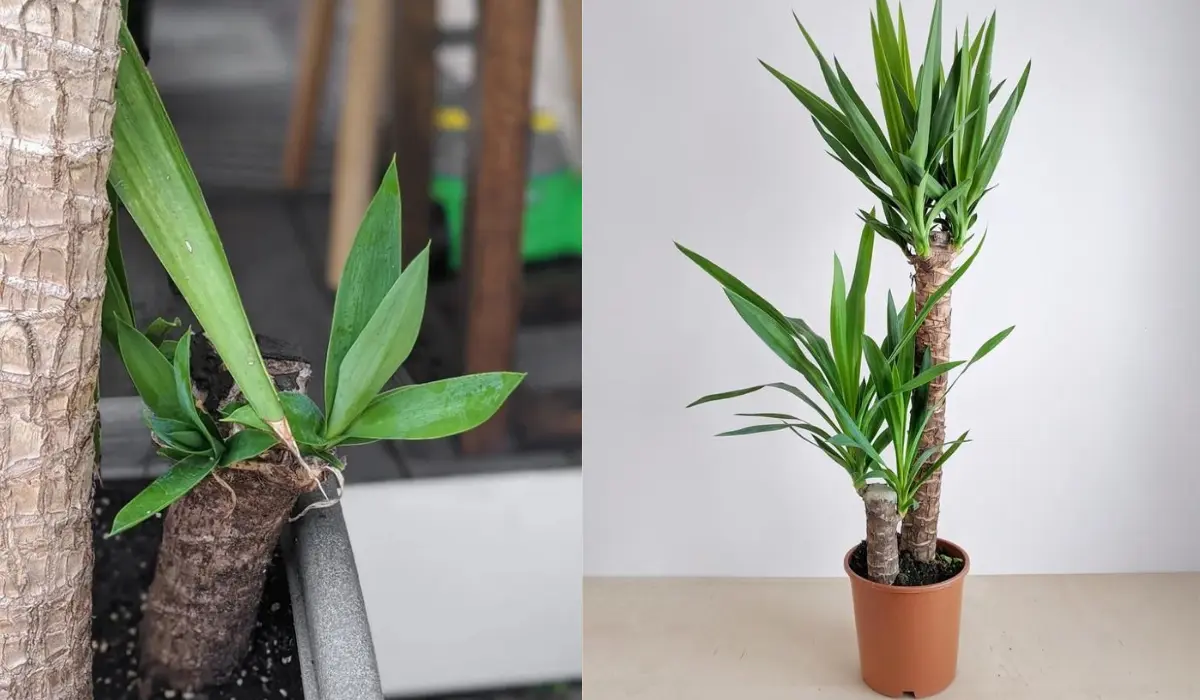
Discover the best Yucca plant care tips to help your plant grow healthy indoors or outdoors. This complete guide covers watering, sunlight, soil, fertilizer, pruning, and common care mistakes, making it perfect for beginners and experienced gardeners alike.
I have been growing Yucca plants for several years, and one of the biggest lessons I’ve learned is that they thrive with bright sunlight and less watering than most houseplants. In this guide, I’m sharing the same practical Yucca plant care tips that have helped me grow strong, healthy plants throughout the year.
Quick Guide: Yucca plant care is simple because this plant thrives with bright sunlight, well-draining soil, and minimal watering. Water only when the soil is dry, fertilize monthly during the growing season, and remove damaged leaves regularly to keep your Yucca healthy and growing strong all year.
IN THIS ARTICLE
About Yucca Plant
| Feature | Details |
|---|---|
| Botanical Name | Yucca spp. |
| Common Name | Yucca Plant |
| Plant Type | Evergreen Shrub |
| Mature Height | 2–30 feet (varies by species) |
| Sunlight | Full Sun to Bright Indirect Light |
| Water Needs | Low |
| Soil Type | Well-draining Sandy Soil |
| Soil pH | 6.0–7.5 |
| USDA Zones | 4–11 |
| Growth Rate | Slow to Moderate |
Best Light for Yucca Plant
One of the biggest reasons Yucca plant care is easy is that the plant loves sunlight. In my experience, a Yucca placed near a bright south-facing window grows much faster than one kept in a darker corner. Outdoor plants thrive in full sun and tolerate hot summer temperatures without any problem.
If your Yucca is growing indoors, give it the brightest location available. A few hours of direct morning or afternoon sunlight will encourage compact growth and vibrant green leaves. When the plant doesn’t receive enough light, the leaves become pale, stretched, and weak.
Light Tips
- Full sun is best for outdoor Yucca.
- Bright indirect light also works indoors.
- Rotate indoor pots every few weeks.
- Avoid dark rooms for long periods.
- More sunlight usually means stronger growth.
How Often Should You Water a Yucca Plant?
Watering is where most people make mistakes. From my own experience, watering less often produces a healthier plant than watering too frequently. Yucca stores moisture in its trunk and roots, allowing it to survive dry periods easily.
Instead of following a fixed schedule, always check the soil before watering. Insert your finger about two inches into the soil. If it still feels moist, wait a few more days. During winter, the plant grows more slowly and needs much less water.
Watering Tips
- Water deeply but infrequently.
- Allow the soil to dry before watering again.
- Reduce watering during winter.
- Empty excess water from the saucer.
- Never leave the roots standing in water.
Signs of overwatering
- Yellow leaves
- Soft trunk
- Mushy roots
- Foul smell from the soil
Signs of underwatering
- Dry soil
- Slight leaf curling
- Slow growth
Best Soil for Yucca Plant
Healthy roots begin with the right soil. I always use a fast-draining mix because heavy garden soil holds too much moisture and can quickly lead to root rot.
A cactus or succulent potting mix works perfectly. If you’re making your own mix, combine potting soil with coarse sand and perlite to improve drainage. This allows water to move freely while still providing enough support for the roots.
Ideal Soil Mix
- 50% cactus or succulent potting mix
- 25% coarse sand
- 25% perlite
Avoid clay soil or any mix that stays wet for a long time.
Temperature and Humidity
Yucca naturally grows in dry climates, making it well suited to normal household conditions. I have found that it grows best between 18°C and 30°C. It handles summer heat much better than cold weather.
Unlike many tropical plants, Yucca does not need high humidity or frequent misting. Average indoor humidity is more than enough for healthy growth.
Temperature Tips
- Ideal range: 18–30°C
- Protect from frost.
- Keep away from cold drafts.
- Avoid placing near air conditioners during winter.
Fertilizer for Healthy Growth
Although Yucca is not a heavy feeder, occasional fertilizer helps maintain lush green leaves and encourages steady growth. I usually feed my plants once every month during the growing season using a balanced liquid fertilizer diluted according to the label.
Avoid overfeeding because too much fertilizer can damage the roots and create weak, soft growth.
Fertilizer Tips
- Feed once a month in spring and summer.
- Stop feeding during winter.
- Use a balanced liquid fertilizer.
- Water before applying fertilizer.
- Never exceed the recommended dosage.
Pruning Your Yucca Plant
Pruning keeps the plant looking tidy and encourages healthier growth. I remove damaged or yellow leaves whenever I notice them, which improves airflow and gives the plant a cleaner appearance.
If flower stalks have finished blooming, they can also be removed. Always use clean pruning tools to reduce the risk of disease.
Pruning Tips
- Remove yellow leaves.
- Cut away dead flower stalks.
- Use clean, sharp pruning shears.
- Do not remove too many healthy leaves at once.
Repotting Yucca Plant
Yucca grows slowly, so it doesn’t need frequent repotting. I usually repot mine every two or three years or when the roots begin growing through the drainage holes.
Choose a container only slightly larger than the previous one. A very large pot holds extra moisture, which increases the risk of root rot.
Repotting Tips
- Repot every 2–3 years.
- Use fresh, well-draining soil.
- Select a pot with drainage holes.
- Water lightly after repotting.
- Keep the plant in bright shade for a few days.
Common Yucca Plant Problems
Even though Yucca plant care is simple, a few problems can occur if growing conditions are not suitable. Most issues are related to watering or lighting rather than pests or diseases.
If leaves begin turning yellow, check the soil before adding more water. Brown tips may appear naturally on older leaves or during long dry periods. Spider mites can occasionally appear on indoor plants, especially in dusty environments, but they are usually easy to control by cleaning the leaves regularly.
Common Problems
- Yellow leaves – Usually caused by overwatering.
- Brown leaf tips – Dry conditions or aging leaves.
- Root rot – Poor drainage and excessive watering.
- Spider mites – Wipe leaves and improve air circulation.
- Slow growth – Not enough sunlight.
FAQ – Yucca plant care
Is Yucca an easy plant for beginners?
Yes. It is one of the easiest low-maintenance plants because it needs little water and adapts well to different environments.
Can Yucca grow indoors?
Absolutely. Place it near a bright window where it receives plenty of natural light.
How often should I water my Yucca plant?
Only after the soil becomes dry. Watering frequency depends on the season and indoor temperature.
Why are my Yucca leaves turning yellow?
The most common reason is overwatering or poor soil drainage.
Does Yucca need direct sunlight?
Yes. Direct sunlight or very bright indirect light helps maintain healthy growth and strong stems.
Conclusion
From my own gardening experience, Yucca plant care becomes effortless once you understand that this plant prefers sunlight, dry soil, and minimal attention. Instead of watering on a schedule, observe the soil and let the plant guide you. With proper light, well-draining soil, and occasional feeding, your Yucca can remain healthy and attractive for many years.
Whether you’re decorating your home, office, balcony, or garden, a Yucca is a reliable choice for anyone looking for a beautiful, low-maintenance plant. By following these practical care tips, you’ll enjoy a stronger, greener, and longer-lasting plant with very little effort.
