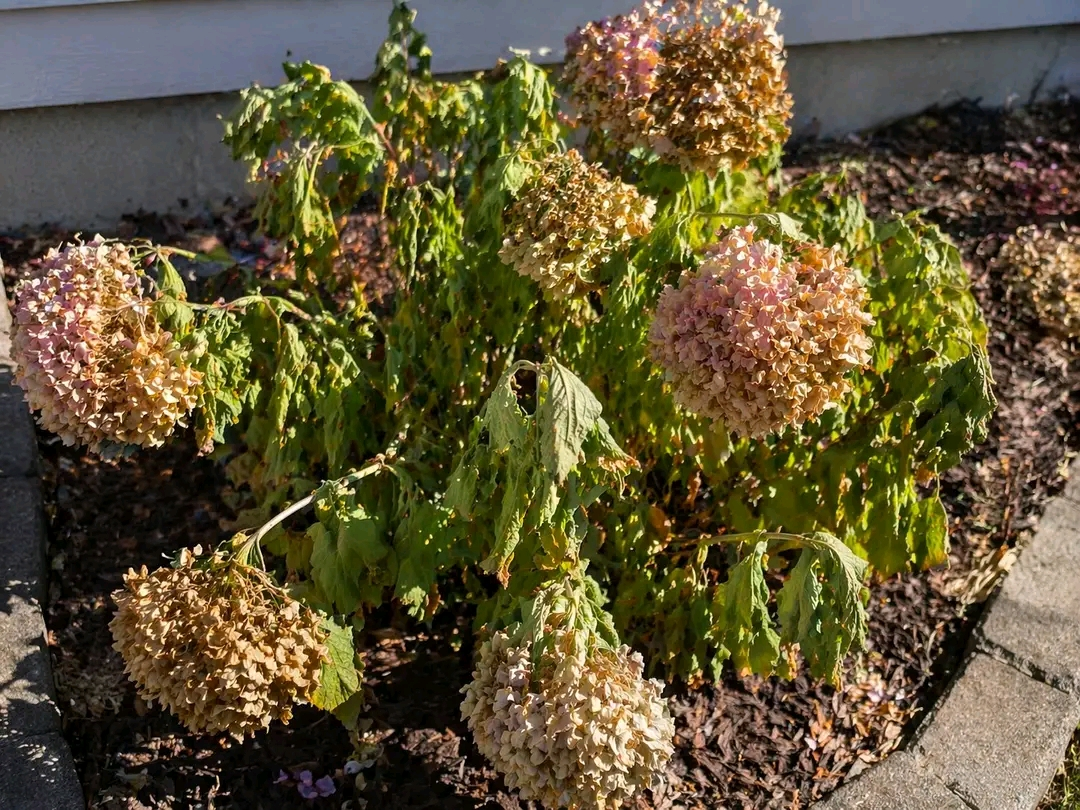
Quick help :- Heatwaves can stress hydrangeas, causing wilting and leaf scorch. In this guide, I share my simple, experience-based tips to protect your hydrangea, keep it healthy, and help it thrive during extreme summer heat.
Hydrangeas are loved for their large, colorful blooms, but they can struggle when temperatures rise above normal. During a heatwave, intense sunlight, hot winds, and dry soil can quickly stress the plant, causing drooping leaves, scorched flowers, and dehydration.
I have grown hydrangeas through several hot summers, and I’ve learned that a few simple changes can make a huge difference. Instead of waiting until the plant starts wilting, I prepare it before the hottest days arrive. In this guide, I’m sharing the same methods that have helped my hydrangeas stay healthy even during extreme summer temperatures.
Table of Contents
Why Heatwaves Are Dangerous for Hydrangeas
Hydrangeas naturally love cool, moist conditions. When temperatures remain very high for several days, the plant loses water much faster than the roots can absorb it.
Common signs of heat stress include:
- Drooping leaves
- Brown leaf edges
- Crispy flowers
- Faded blooms
- Dry soil
- Slower growth
- Sunburn spots on leaves
If heat stress continues, flower buds may drop, and the plant can become weak for the rest of the season.
Watering Hydrangeas During a Heatwave
Watering is the most important part of hydrangea care during summer.
I always water my hydrangeas early in the morning because the soil absorbs moisture before the day’s heat begins. Morning watering also reduces water loss through evaporation.
Instead of giving a little water every day, I prefer deep watering so the moisture reaches the root zone.
Best Watering Tips
- Water before 8 AM.
- Water deeply around the roots.
- Keep leaves mostly dry.
- Avoid watering under strong afternoon sunlight.
- Check soil moisture before watering again.
Container-grown hydrangeas usually need watering more often because pots dry much faster than garden soil.
Give Afternoon Shade
One of the biggest improvements I noticed was protecting hydrangeas from harsh afternoon sunlight.
Morning sunlight helps flowering, but strong afternoon sun during a heatwave can quickly burn leaves and flowers.
If your plant is in a container:
- Move it under a shade cloth.
- Place it beneath a tree.
- Keep it where it receives filtered sunlight.
For garden plants, temporary shade netting during extreme heat can prevent leaf scorch.
Mulching Helps Keep Roots Cool
Mulch acts like a protective blanket over the soil.
It keeps roots cooler, reduces evaporation, and helps the soil stay moist much longer.
Good mulch materials include:
- Pine bark
- Dry leaves
- Coconut husk
- Compost
- Straw
- Wood chips
Spread a 2–3 inch layer around the plant while leaving a small gap around the stem.
Keep the Soil Moist, Not Waterlogged
Hydrangeas love moisture, but standing water can damage the roots.
The goal is consistently moist soil.
To check moisture:
- Insert your finger about 2 inches into the soil.
- If it feels dry, water the plant.
- If it still feels damp, wait another day.
This simple habit prevents both underwatering and overwatering.
Stop Fertilizing During Heatwaves
Many gardeners continue feeding plants during very hot weather, but I avoid doing this.
Fertilizer encourages fresh growth, which is much more sensitive to heat.
Wait until temperatures return to normal before applying fertilizer again.
After the heatwave ends, you can resume feeding with a balanced fertilizer if the plant is actively growing.
Should You Prune During a Heatwave?
Avoid heavy pruning during extremely hot weather.
Removing too many leaves exposes stems directly to sunlight.
Only remove:
- Completely dried flowers
- Dead branches
- Broken stems
- Diseased growth
Save major pruning for the correct season.
Caring for Potted Hydrangeas
Container hydrangeas heat up much faster than plants growing in the ground.
During heatwaves I usually:
- Check soil twice daily.
- Move pots into afternoon shade.
- Use larger containers if roots become crowded.
- Raise pots slightly for good drainage.
- Avoid black plastic pots in full sun.
Terracotta pots dry out faster, so they may require additional watering.
Increase Humidity Around the Plant
Heatwaves often bring very dry air.
Hydrangeas appreciate moderate humidity.
You can improve humidity by:
- Grouping plants together.
- Watering surrounding soil.
- Keeping mulch fresh.
- Growing nearby companion plants.
Avoid frequent leaf misting during intense sun because water droplets may increase leaf damage.
Protect Flowers from Sun Scorch
Hydrangea blooms are especially sensitive to direct afternoon sunlight.
Flowers exposed to continuous heat may:
- Fade early
- Turn brown
- Become crispy
- Wilt permanently
Providing afternoon shade is the easiest way to extend bloom life.
Common Heatwave Mistakes to Avoid
Many hydrangea problems happen because of small mistakes.
Avoid these common errors:
- Watering only a little each day.
- Watering during the hottest hours.
- Fertilizing stressed plants.
- Letting containers completely dry out.
- Removing too many leaves.
- Ignoring mulch.
- Keeping potted plants in full afternoon sun.
How to Help a Wilted Hydrangea Recover
If your hydrangea suddenly wilts:
- Move it into shade if possible.
- Water deeply around the roots.
- Add fresh mulch.
- Remove only dead flowers.
- Avoid fertilizer.
- Keep the soil evenly moist.
Many hydrangeas recover surprisingly well once temperatures become cooler.
FAQ – Hydrangea Plant Heatwave Care
Can hydrangeas survive a heatwave?
Yes. With proper watering, afternoon shade, and mulch, healthy hydrangeas can survive even several days of extreme heat.
Why are my hydrangea leaves turning brown?
Brown edges are usually caused by heat stress, direct afternoon sun, underwatering, or hot winds.
Should I water hydrangeas every day during a heatwave?
Not always. Check the soil first. Deep watering when the soil begins to dry is better than frequent shallow watering.
Can I fertilize hydrangeas during very hot weather?
No. Wait until temperatures become cooler before applying fertilizer.
Will wilted hydrangeas recover?
Yes. If the roots are healthy and the plant receives proper care, many hydrangeas recover after the heatwave
Conclusion
A heatwave doesn’t have to ruin your hydrangeas. In my experience, the most effective approach is simple: water deeply in the morning, keep the roots cool with mulch, provide afternoon shade, and avoid unnecessary stress like heavy pruning or fertilizing. By focusing on these basics, your hydrangeas have a much better chance of staying healthy and producing beautiful blooms even during the hottest weeks of summer.
How to Propagate Hydrangeas From Cuttings: Easy Step-by-Step Guide for Beginners
