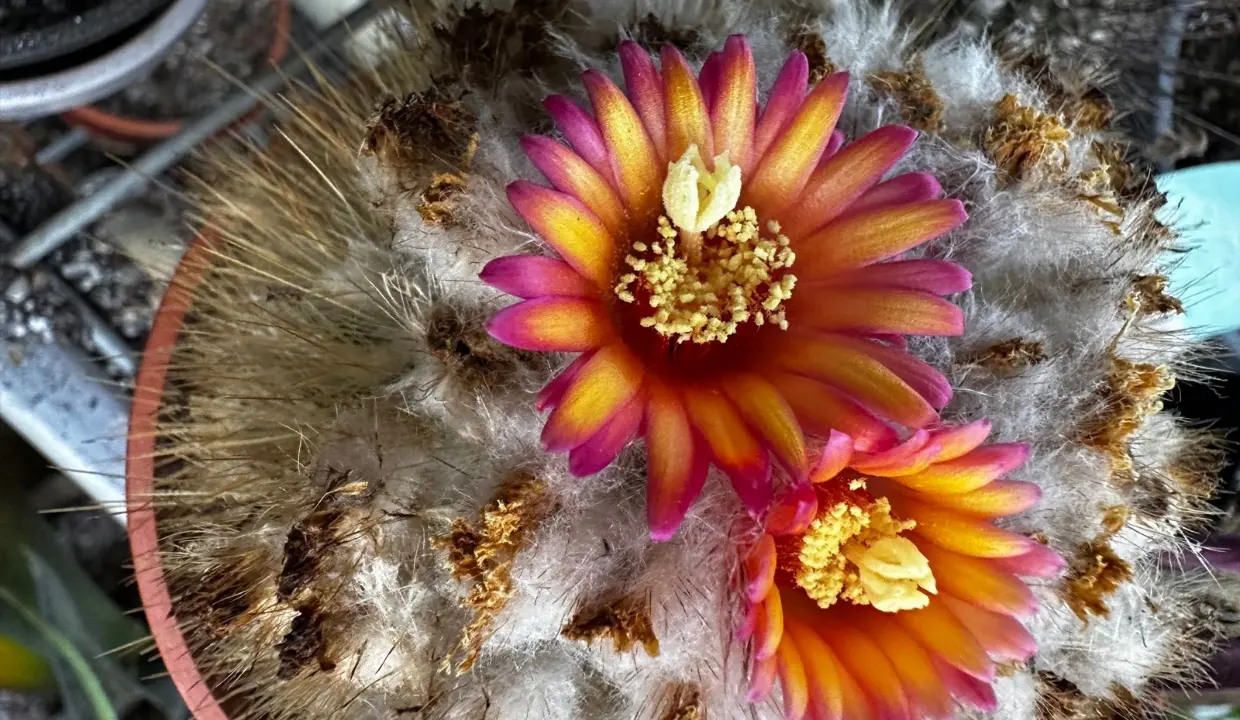
Quick Guide: Parodia cactus is a small flowering cactus that is easy to grow at home. It thrives in bright sunlight, well-draining soil, and needs watering only when the soil dries out. With proper care, it produces beautiful colorful flowers every year.
Parodia cactus is a small but stunning flowering cactus that is loved for its round shape and bright yellow, orange, red, or pink flowers. If you’re looking for a low-maintenance plant that can brighten your home or garden with beautiful blooms, Parodia cactus is an excellent choice. With the right soil, enough sunlight, and careful watering, this cactus can stay healthy for many years and reward you with colorful flowers every growing season.
I have been growing Parodia cactus has become one of my favorite flowering cacti. When I first bought this plant, I watered it too often. Within a few weeks, I noticed that the base of the cactus became soft. After learning more about its growing needs and changing my watering routine, the plant recovered and started producing healthy new growth. Since then, I have successfully grown several Parodia cacti, and in this guide, I’m sharing the same practical tips that have worked well for me.
What Is a Parodia Cactus?
Parodia is a popular cactus native to South America. It belongs to a group of compact cacti that are easy to grow and are often recommended for beginners. this cactus special is its large, colorful flowers that appear on the top of the plant during the growing season. Even when it is not flowering, its neat shape and attractive spines make it a beautiful addition to balconies, windowsills, and cactus collections.
Where to Buy a Parodia Cactus?
Today, Parodia cactus is widely available, and you can easily find healthy plants from different sources.
You can buy it from:
- Local plant nurseries
- Cactus and succulent nurseries
- Garden centers
- Plant exhibitions
- Trusted online plant stores
I personally prefer buying my cactus from a local nursery whenever possible. It allows me to inspect the plant carefully and choose the healthiest one instead of buying without seeing its condition.
How to Choose a Healthy Parodia Cactus
Selecting a healthy plant is the first step toward successful growth. A strong and disease-free cactus adapts more quickly to its new environment and has a better chance of flowering.
Before buying, always check that:
- The plant feels firm when gently touched.
- There are no black or soft spots.
- The roots do not have a bad smell.
- There are no white cotton-like insects (mealybugs).
- The cactus has a healthy green colors
Avoid plants that look wrinkled, damaged, or overly wet because they may already be suffering from root problems.
Best Place to Grow Parodia Cactus at Home
In my experience, choosing the right location makes a huge difference. This cactus loves bright light, and the more suitable the location, the healthier it grows.
Some of the best places to keep it include:
- East-facing balcony
- South-facing window
- West-facing balco
- Bright terrace garden
Sunny indoor window
Parodia cactus grows best when it receives around 5–6 hours of bright sunlight every day. Morning sunlight is ideal because it is gentle and encourages healthy growth. During extremely hot summer afternoons, providing light shad
Best Temperature and Climate
Parodia cactus naturally prefers warm and dry conditions. It grows actively during spring and summer when temperatures remain comfortable.The ideal growing conditions are:
Temperature: 18°C–30°CLow humidityGood air circulation
If winter temperatures regularly fall below 10°C, move the plant to a protected place or indoors to avoid cold damage. Also, avoid leaving the cactus outside during continuous rain because excessive moisture can lead to root rot.
Choosing the Right Pot
The pot plays an important role in keeping the roots healthy. Since cacti dislike sitting in wet soil, good drainage is essential. I usually grow my Parodia cactus in a terracotta pot because it allows excess moisture to evaporate more quickly. This keeps the soil dry and greatly reduces the risk of root rot. Choose a pot with at least one drainage hole, and select a size that is only slightly larger than the root ball. Oversized pots hold too much moisture and can slow down healthy growth.
Best Soil Mix for Parodia Cactus
From my gardening experience, soil quality is one of the biggest factors that determines whether a Parodia cactus thrives or struggles. Ordinary garden soil stays wet for too long, which is not suitable for cacti.I prepare a simple but effective soil mix using:
40% cactus potting mix
30% coarse river sand
20% perlite or pumice
10% compost
This mixture drains quickly, provides good airflow around the roots, and helps prevent root rot while supporting healthy growth.
Watering Guide
From my experience, overwatering is the biggest reason Parodia cactus fails. I always let the soil dry completely before watering again. This simple habit has kept my plants healthy and encouraged regular flowering.
As a general guide:
- Summer: Every 7–10 days
- Winter: Every 20–30 days
- Rainy season: Water only when the soil is dry
Always water deeply until excess water drains from the pot, and never let the plant sit in standing water.
Fertilizer Guide
Parodia cactus doesn’t need much fertilizer. I feed mine once a month during spring and summer with a diluted liquid seaweed fertilizer, which has worked well for healthy growth and blooms.
- Cactus fertilizer
- Succulent fertilizer
- Vermicompost (small amount)
Avoid fertilizing during winter.
How to Get More Flowers
Healthy plants bloom well with proper care. Based on my experience, these simple tips make the biggest difference
- Give 5–6 hours of bright sunlight.
- Avoid overwatering.
- Use well-draining soil.
- Feed during the growing season.
- Repot every 2–3 years if needed.
Repotting
Parodia cactus grows slowly, so repotting is only needed every 2–3 years or when the roots outgrow the pot. I always use fresh cactus soil and wait 4–5 days before watering after repotting. This helps the roots recover and prevents rot.
How to Propagate Parodia Cactus
Parodia cactus can be propagated by offsets or seeds. I prefer using offsets because it is faster and gives a higher success rate.
- Remove a healthy offset.
- Let it dry for 2–3 days.
- Plant it in dry cactus soil.
- Water lightly after one week.
Common Problems
Parodia cactus is generally easy to grow, but a few problems may appear if it is not cared for properly.
- Mealybugs: Remove with rubbing alcohol or neem oil.
- Spider mites: Improve air circulation and spray neem oil.
- Root rot: Usually caused by overwatering.
- Fungal diseases: Prevent by keeping the soil well-drained.
My Personal Experience
After growing Parodia cactus for several years, I’ve found that it performs best when left slightly dry rather than watered too often. Morning sunlight, a terracotta pot, and a fast-draining soil mix have consistently given me healthy plants and beautiful flowers each year. If you’re a beginner, this is one of the easiest flowering cacti to grow successfully.
Final Thoughts
Parodia cactus is a perfect choice for anyone looking for a beautiful, low-maintenance flowering cactus. With the right amount of sunlight, well-draining soil, and careful watering, it can thrive for many years and reward you with stunning blooms. Based on my experience, following these simple care tips will help you grow a healthy and long-lasting Parodia cactus at home.
You May Also Like
