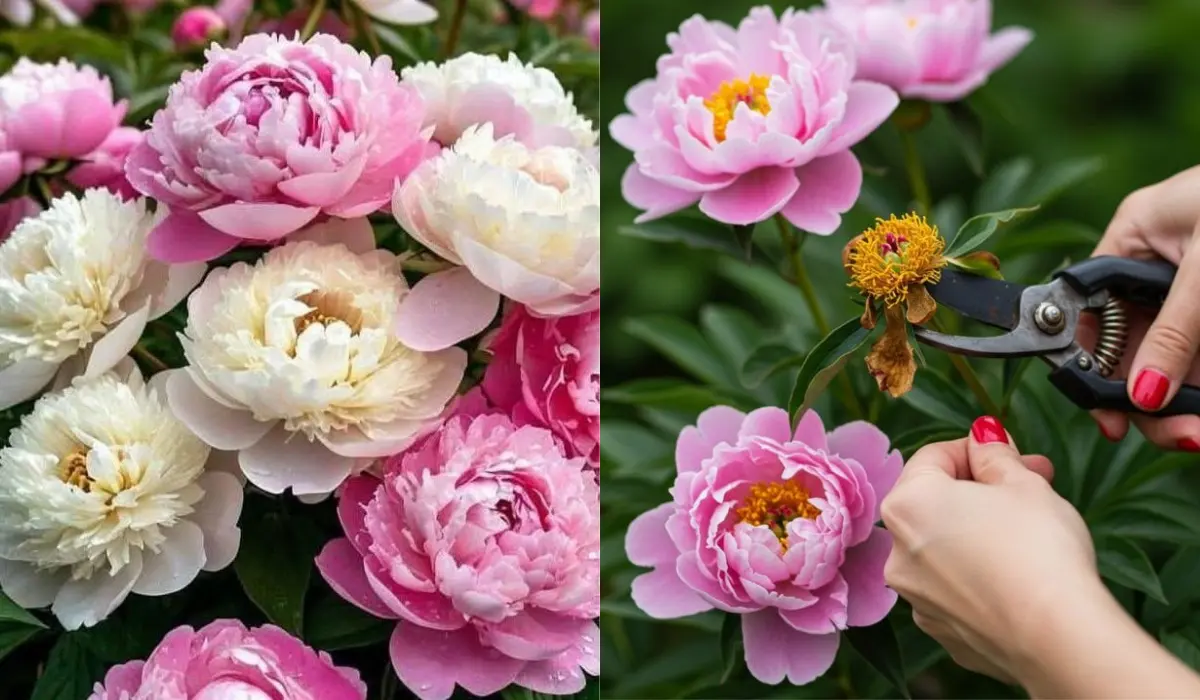
How to care for peonies after they bloom? The most important step is to remove spent flowers, keep the foliage healthy, water during dry periods, provide light fertilizer, and cut the plant back in autumn. Proper post-bloom care helps peonies store energy for the following season, resulting in stronger plants and more beautiful flowers next year.
As someone who enjoys growing flowering plants in my garden, I have learned that peonies need a little attention after flowering. Many gardeners focus on the blooms but forget that the care given after flowering is what determines the quality of next year’s flowers. In this guide, I am sharing my experience and simple steps that help keep peonies healthy and productive.
Table of Contents
About Peonies
Peonies are long-lived flowering perennials known for their large, colorful blooms and pleasant fragrance. Once established, a peony plant can thrive for decades with minimal care. However, proper maintenance after flowering is essential for continued growth and abundant blooms.
Why Post-Bloom Care Matters
After flowering, peonies begin storing energy in their roots for the next growing season. The leaves continue photosynthesis throughout summer and early fall. If foliage is removed too early or the plant becomes stressed, next year’s flowers may be smaller or fewer.
Benefits of proper post-bloom care:
- Encourages stronger root development
- Supports larger blooms next season
- Reduces disease problems
- Maintains healthy foliage
- Improves overall plant longevity
Immediately Deadhead Spent Flowers
The first thing I do after peony flowers fade is remove the old blooms.
Deadheading prevents the plant from wasting energy on seed production and keeps the garden looking neat.
How to Deadhead Peonies
- Cut off faded flowers as soon as petals begin dropping.
- Follow the stem down to the first set of healthy leaves.
- Make a clean cut just above the leaf node.
- Leave all healthy foliage intact.
How to Deadhead Peonies and Trim Peonies After They Bloom – My Experience
Avoid cutting the entire plant back at this stage. The leaves are still working hard to produce energy for future growth.
Leave the Foliage Intact
One of the biggest mistakes gardeners make is removing peony leaves too early.
Even though flowering has ended, the green foliage continues absorbing sunlight and producing food for the roots.
What I Recommend
- Leave healthy leaves throughout summer.
- Remove only yellow, damaged, or diseased foliage.
- Ensure the plant receives adequate sunlight.
- Avoid excessive pruning.
Healthy foliage is directly connected to better blooms the following year.
Water Well During Summer
Peonies are relatively drought tolerant once established, but they still benefit from consistent moisture after blooming.
Watering Tips
- Water deeply during dry periods.
- Keep soil evenly moist but not soggy.
- Water at the base of the plant.
- Avoid wetting leaves whenever possible.
I usually provide a deep watering once a week during hot weather if rainfall is limited.
Signs your peony needs water:
- Wilting leaves
- Dry soil several inches deep
- Reduced foliage growth
- Premature yellowing
Apply Light Fertilizer
After flowering, peonies benefit from a light feeding to replenish nutrients.
Best Fertilizer for Peonies
- Balanced fertilizer such as 10-10-10
- Low-nitrogen flowering fertilizer
- Compost or well-rotted organic matter
How to Fertilize
- Apply around the drip line.
- Keep fertilizer away from the crown.
- Water thoroughly afterward.
- Avoid heavy feeding.
Too much fertilizer can encourage excessive leaf growth and fewer flowers.
Support Floppy Stems
Many peony varieties develop heavy blooms that can cause stems to bend or flop.
Even after flowering, supporting the plant helps maintain its shape and keeps foliage off the ground.
Ways to Support Peonies
- Install peony rings.
- Use garden stakes.
- Place support cages around plants.
- Tie stems loosely with soft garden twine.
Providing support early in the season is usually the most effective approach.
Watch for Disease Problems
Summer is a common time for fungal issues to appear.
Common Peony Diseases
- Powdery mildew
- Leaf spot
- Botrytis blight
Prevention Tips
- Improve air circulation.
- Remove infected leaves promptly.
- Avoid overhead watering.
- Keep garden beds clean.
If disease symptoms appear, remove affected foliage and dispose of it away from the garden.
Cut Back Peonies in Autumn
This is one of the most important maintenance tasks.
For herbaceous peonies, wait until foliage turns yellow or brown after the first frost.
How to Cut Back Peonies
- Wait until autumn.
- Cut stems to about 1–2 inches above soil level.
- Remove all fallen leaves.
- Dispose of diseased plant material.
This helps reduce overwintering pests and diseases.
What About Tree Peonies?
Tree peonies are different.
- Do not cut them to the ground.
- Remove only dead, damaged, or weak branches.
- Maintain their woody framework.
Mulching Tips
A light layer of mulch can help protect roots and improve soil quality.
Use:
- Shredded leaves
- Compost
- Pine bark
Keep mulch a few inches away from the crown to prevent rot.
Common Mistakes to Avoid
- Cutting foliage back immediately after flowering
- Overwatering
- Applying excessive fertilizer
- Ignoring disease symptoms
- Planting too deep
- Removing healthy leaves too early
Avoiding these mistakes can significantly improve flowering performance.
Quick Post-Bloom Peony Care Checklist
- Deadhead faded flowers
- Leave healthy foliage intact
- Water deeply during dry weather
- Apply light fertilizer
- Support floppy stems
- Monitor for diseases
- Cut back herbaceous peonies in autumn
- Clean up garden debris
Frequently Asked Questions
Should I cut peonies back after they bloom?
No. Remove spent flowers only. Leave healthy foliage until autumn so the plant can store energy for next year’s blooms.
How often should I water peonies after flowering?
Water deeply when the soil becomes dry. Most established plants need watering only during extended dry periods.
Can I fertilize peonies after they bloom?
Yes. A light application of balanced fertilizer or compost after flowering can support healthy root development.
Why are my peony leaves turning white?
White powdery growth is often powdery mildew, a common fungal disease that appears during warm, humid conditions.
Conclusion
Learning how to care for peonies after they bloom is simple but incredibly important. In my experience, removing spent flowers, keeping the foliage healthy, watering during dry periods, applying light fertilizer, supporting floppy stems, and cutting plants back in autumn are the key steps that lead to stronger growth and more spectacular blooms the following year. A little care now can reward you with beautiful peony flowers for many years to come.
